



Sintering Blower Motor: Complete Guide for Heavy Industrial Use
Heavy industrial tasks like making steel, metallurgy, and electricity generation depend on strong tools that can handle rough conditions. The sintering blower motor is one of the most important parts. It moves air through the sintering beds, which are places where raw materials change under extreme heat and pressure. These special motors are very different from regular industrial units because they are made to handle gritty dust, high temperatures, and the 24/7 operation cycles that are common in integrated steel mills and independent sintering plants. When procurement professionals and design engineers know about the technical specs, selection criteria, and best practices for running these motors, they can make investment decisions that have a direct effect on how efficiently they produce, how much energy they use, and how much they cost to run in the long run.
Understanding Sintering Blower Motors: Function and Operation
To make steel, the sintering process needs precise control of airflow to move burning gases through a bed of iron ore fines, flux, and coke. For this very important job, only high-capacity blower systems powered by special drive motors will work.
Core Functionality in Material Processing
A sintering blower motor creates the suction force needed to keep the airflow speed steady across the sintering strand. This movement makes it possible for the burning front to move evenly through the material bed, which leads to the best chemical reactions and physical bonds. The motor has to keep the torque output stable even though the system resistance changes because the bed's permeability changes during the heating cycle. Modern units have an improved electromagnetic design that balances efficiency with thermal management. This lets them work continuously in temperatures that often go above standard industrial ratings.
Construction Features for Harsh Environments
Industrial fan motors used for sintering are exposed to small particles, toxic sulphur compounds, and direct heat from process equipment next to them. Protection grades from IP44 to IP55 keep dust out of important winding and bearing systems. Frames made of reinforced cast iron reduce vibrations, and special labyrinth seals make bearings last longer. IC37 (air-to-air heat exchanger) or IC81W (water-to-air cooling) are the most common ways to cool the windings. They keep the temperatures within Class F or Class H insulation limits even when the thermal loads are at their highest. These parts of the construction make purpose-built units different from general-purpose motors, and they have a direct effect on how reliable they are in metallurgical service.
Operational Principles and Performance Metrics
Large blowers need voltages between 3kV and 11kV to handle their power needs, and their typical output ranges from 1000kW to 12000kW. Standard designs come in 4-pole (1500 RPM) or 6-pole (1000 RPM) models that work at 50Hz or 60Hz, and they can change frequencies to allow for variable speed control. At maximum voltage, starting torque (1.0), pull-in torque (0.8), and pull-out torque (2.0) are all important performance factors that make sure the motor can speed up high-inertia impellers without stopping. When starting current ratios are 7.0, the electrical system needs to be carefully sized to handle the high demand that happens when the motor starts up.
Choosing the Right Sintering Blower Motor for Heavy Industrial Needs
When making a procurement decision, you have to weigh a lot of technical and business factors to find a sintering blower motor that offers the best lifecycle value, not just the lowest initial cost.
Key Selection Parameters
The basic power level choice is based on the required airflow capacity. Engineers have to figure out system resistance curves and match motor output to blower performance maps, taking into account how height, temperature, and the make-up of the process gas affect these. Continuous operation makes energy efficiency very important. High-efficiency electromagnetic designs can cut yearly energy use by 15-20% compared to older motor technologies, which saves a lot of money over a 15-year service life. The mounting area and foundation needs are based on the frame size (1180, 1430, or 1730), and the mounting setup IM7311 defines a horizontal layout with flange connection.
Configuration Options: Drilled vs. Non-Drilled Shaft
The design of the motor shaft comes in two different forms. Drilled shaft motors have a hole in the rotor shaft that lets pneumatic air clutches connect. These clutches allow for soft engagement during startup. This setup lowers the mechanical shock loads on driven equipment and lets torque be applied gradually. When you use direct-on-line or reduced-voltage starting methods on a non-drilled shaft motor, it has better starting capabilities because it doesn't have a hollow bore. Before buying, buyers should talk to application experts to find out which setup fits their fan and starting system the best.
Comparative Analysis: Specialized vs. Standard Motors
For sintering service, standard industrial motors don't have the thermal margins, bearing protection, and structural reinforcement that are needed. At first glance, the purchase price may seem lower, but early failures due to dust contamination, bearing washout, or insulation breakdown quickly wipe out any savings. Purpose-engineered units have dust-proof construction, materials that don't rust, and the ability to work at high temperatures as built-in features, not as extras that were added later. The longer durability means less maintenance needs to be done, the average time between failures is longer, and production stops happen less often.
Installation and Technical Support for Sintering Blower Motors
Proper commissioning sets up a system for long-term, reliable use and helps avoid common installation mistakes that hurt performance.
Professional Installation Requirements
When laying the foundation, the motor's mass and the forces that act on it must be taken into account. Anchor bolt specs, filling methods, and alignment limits must all be followed exactly as written by the maker. Medium-voltage switches, safety breakers, and cables that are big enough for starting currents are used for electrical links. Whether direct full-voltage starting or soft-start will be used determines how the wiring is set up. To keep scale from building up in the heat exchanger tubes, IC81W units need to check the flow rate and quality of the water that connects to them.
Common Installation Challenges
When the motor and driven blower shafts are not lined up properly, they put too much stress on the bearings and wear them out too quickly. Laser alignment tools let you make precise adjustments within the tolerances set by the manufacturer. Errors in the electrical phase sequence can lead to spinning in the wrong direction, which is quickly found during no-load testing before the coupler is installed. If you don't properly set up your cooling system, whether it's airflow for IC37 units or water flow for IC81W setups, it can cause temperature changes when the first load is applied. Installers with a lot of experience who know how to work with medium-voltage motor systems can cut down on commissioning time and avoid expensive rework.
Ongoing Technical Support Infrastructure
Leading motor makers offer full support systems that include the ability to diagnose problems remotely, offer sound analysis services, and conduct thermal imaging checks. Having access to factory-trained technicians makes sure that repairs follow the original equipment specifications instead of using generic replacement parts for the sintering blower motor. Technical documentation packages, which include detailed wiring diagrams, maintenance schedules, and troubleshooting flowcharts, let plant maintenance teams do routine maintenance tasks and get help with more complicated problems when needed. With this tiered method, working freedom is balanced with access to expert backup resources.
Procurement Insights: Buying Sintering Blower Motors for Heavy Industry
It's not enough to just compare prices when making strategic sourcing decisions. You also need to look at the capabilities, quality assurance, and aftermarket support commitments of the suppliers.
Supplier Qualification Criteria
Authorised manufacturers and distributors sell real goods that come with warranties and technical support networks. This is shown by SYSX MOTOR, which is run by Tellhow Shenyang Electric Machine Co., Ltd., which uses ISO-compliant production methods, thorough testing procedures, and a global service infrastructure. With 49 product lines and more than 2,100 specs, they can perfectly match products to applications. Certification portfolios with IEC, GB, CE, UL, and region-specific approvals (SASO, SNI, PSE, and KC) show that the product meets the rules in all international markets. Before choosing a seller, buyers should check the supplier's qualifications, audits of the manufacturing site, and certificates of the quality management system.
Pricing Structure and Total Cost Analysis
The price per unit depends on the power level, voltage class, safety grade, and how complicated the cooling method is. Making a promise to buy a lot of something can often get you better prices, which is useful for installing more than one unit or starting standardisation programs across building networks. In addition to the cost of the product itself, buyers must also think about how energy efficiency will affect them. For example, a motor that uses 5000kW continuously gathers 43,800 MWh per year, so every percentage point improvement in efficiency saves a lot of money on energy costs. Service costs are affected by how easy it is to do maintenance. Motors that are made for quick gear replacement or easy access to the windings cut down on the time needed for repair processes. Delivery times—usually within three months of paying in full for normal configurations—need to be worked into the plans for projects.
Genuine Parts and Aftermarket Support
To keep the same level of protection and performance, replacement bearing assemblies, cooling system parts, and terminal box accessories must match the original equipment's specs. If you use fake or mismatched parts, they could break, which would void your warranty. Established suppliers keep an inventory of spare parts that can be tracked back to their original source, making sure that all of the parts meet the necessary metallurgical standards and size tolerances. Partners who are dedicated to long-term customer success are different from transactional sellers because they offer technical help that goes beyond guarantee terms. This includes performance optimisation advice and obsolescence management for systems that are getting old.
Maximizing Performance and Reliability of Sintering Blower Motors
For operational excellence, you need to keep an eye on things, do maintenance before they break, and keep looking for ways to make things better so that motors last longer and use less energy.
Performance Optimization Strategies
Airflow needs change depending on how much is being made and what kind of raw materials are being used. With variable frequency drives, the motor speed can be changed to match the needs of the process, instead of running at full speed all the time with a mechanical damper control that wastes energy for the sintering blower motor. Using VFD control can cut energy use by 25–35% when only partially loaded, and it can also provide soft-start functionality that gets rid of the mechanical stress that comes from across-the-line starting. Periodic infrared thermography finds hotspots that mean the cooling system is breaking down or there are electrical imbalances before they cause damage to the insulation. Vibration analysis shows how bearings are wearing down over time, so they can be replaced on time during planned maintenance windows instead of having to be fixed on the spot during unplanned outages.
Technological Advances Delivering ROI
Recent changes to electromagnetic design have made motors IE4 energy efficient, which is better than older IE2 or IE3 motors. This is done by lowering core losses and making the best use of winding setups. Using new bearing technologies with mixed ceramic elements makes it possible to lubricate the bearings more often and protects them from electrical discharge damage that is common in VFD applications. Integrating condition monitoring systems with plant SCADA networks gives real-time operational data, like current, voltage, temperature, and vibration, which lets predictive analytics figure out what maintenance needs to be done weeks in advance. Case studies from integrated steel mills show that motor upgrades lead to 15-20% drops in specific energy use, with payback times of less than 24 months.
Predictive Maintenance Framework
To switch from reactive or time-based maintenance to condition-based strategies, you need to buy monitoring tools and software that can analyse data. Ultrasonic bearing condition sensors can find deteriorating lubrication months before they fail, and motor current signature analysis can find problems with the rotor bar, shorts in the windings, and strange mechanical loads. Thermal tracking keeps track of how old insulation is by connecting changes in temperature with load patterns and environmental factors. When certain levels are crossed, maintenance management systems create work orders based on monitor data and operating records. This method increases the availability of equipment by only intervening when condition signs show that action is needed. This keeps parts from breaking down without warning and prevents hasty replacements.
Conclusion
Heavy industrial sintering needs motor solutions such as a sintering blower motor that are made to work in the harsh conditions of metallurgical service, with constant duty cycles, rough environments, and temperature extremes that quickly damage standard equipment. A good procurement process balances technical requirements with supplier capabilities, recognizing that the lowest initial cost does not always provide the best long-term value. Quality installation and ongoing expert support are both essential for turning expensive equipment into reliable production assets. By using condition-based maintenance and technologies that improve machine efficiency, workers can maximize the performance of their motor investments while reducing energy costs and environmental impact. This guide provides a decision framework that procurement professionals, design engineers, and plant managers can use to make safe choices based on complex selection criteria. It supports operational excellence and long-term competitive advantages.
FAQ
1. What distinguishes sintering blower motors from standard HVAC units?
Sintering applications impose far more demanding service conditions than commercial HVAC systems. Purpose-built motors incorporate enhanced protection grades (IP54/IP55 vs. IP23), high-temperature insulation systems (Class F/H vs. Class B), and robust mechanical construction to withstand continuous operation in dusty, corrosive environments. Standard HVAC motors lack the thermal margins, bearing protection, and structural reinforcement necessary for metallurgical service, resulting in premature failures when applied beyond their design envelope.
2. What maintenance intervals should be followed?
Maintenance frequency depends on operating conditions and motor configuration. Bearing lubrication typically requires attention every 3,000-6,000 operating hours for grease-lubricated designs, while vibration analysis should occur monthly to detect developing issues. Thermal imaging quarterly identifies cooling system degradation. Comprehensive inspections including insulation resistance testing, winding condition assessment, and mechanical runout verification should occur every 18,000-24,000 hours or during scheduled plant outages. Condition monitoring systems enable transitioning from fixed intervals to predictive scheduling based on actual equipment condition.
3. Is professional installation necessary?
Medium-voltage motor installations demand specialized expertise to ensure electrical safety, mechanical integrity, and optimal performance. Qualified technicians possess the tools, training, and experience to achieve precise alignment tolerances, verify protection relay settings, commission cooling systems, and conduct acceptance testing protocols. Attempting installation without appropriate qualifications risks personnel safety, equipment damage, and warranty voidance. Engaging certified installation contractors represents prudent risk management that establishes proper operational baselines from initial commissioning.
Partner with SYSX MOTOR for Your Sintering Blower Motor Requirements
SYSX MOTOR delivers proven solutions for demanding sintering applications through advanced engineering, manufacturing excellence, and comprehensive support infrastructure. Our product portfolio spans 1000kW to 12000kW output ranges with voltage ratings from 3kV to 11kV, meeting diverse process requirements across steel, metallurgical, and power generation industries. With certifications including IEC, GB, CE, UL, SASO, and additional international approvals, our motors satisfy regulatory requirements across global markets. Leveraging 15 years of production experience and an annual capacity of 8 million kW, we accommodate both large fleet standardization programs and customized specifications. Contact our application engineering team at sxmotor@yeah.net to discuss your project requirements, receive technical consultation, and access competitive pricing from a trusted sintering blower motor supplier committed to your operational success.
References
1. International Electrotechnical Commission. (2021). Rotating Electrical Machines - Part 30-1: Efficiency Classes of Line Operated AC Motors (IE Code). IEC Standard 60034-30-1.
2. Peterson, M. & Anderson, R. (2022). Heavy Industrial Motor Selection and Application Guide for Metallurgical Processes. Institute of Electrical and Electronics Engineers Press.
3. National Electrical Manufacturers Association. (2020). Motors and Generators - NEMA Standards Publication MG 1-2020. NEMA.
4. Chen, W., Liu, H., & Zhang, Y. (2023). Energy Efficiency Optimization in Sintering Plant Blower Systems. Journal of Iron and Steel Research International, 30(4), 712-724.
5. Thompson, J.D. (2021). Predictive Maintenance Strategies for Critical Industrial Drive Systems. Reliability Engineering Publications.
6. Kovalenko, S. & Schmidt, T. (2023). Medium-Voltage Motor Protection and Condition Monitoring in Harsh Industrial Environments. IEEE Transactions on Industry Applications, 59(2), 1856-1867.

USER EVALUATE
Here is the customer's evaluation of us
YOU MAY LIKE
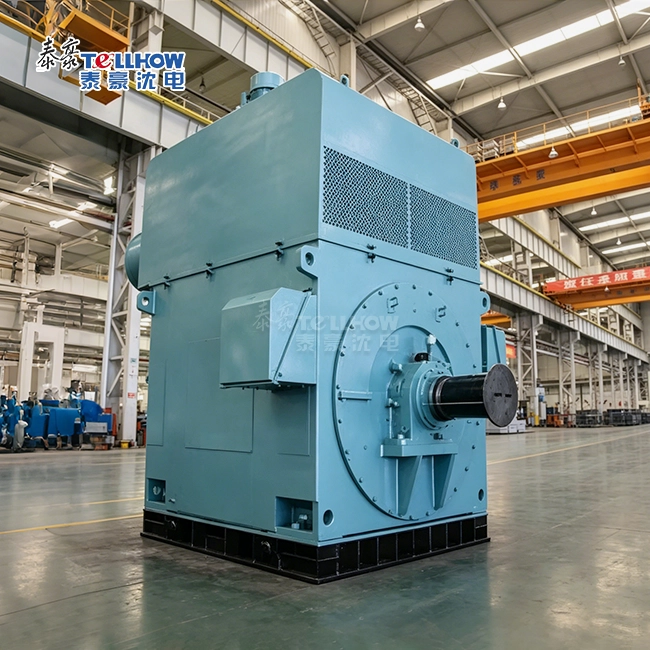 VIEW MOREair-water cooling slip ring motor
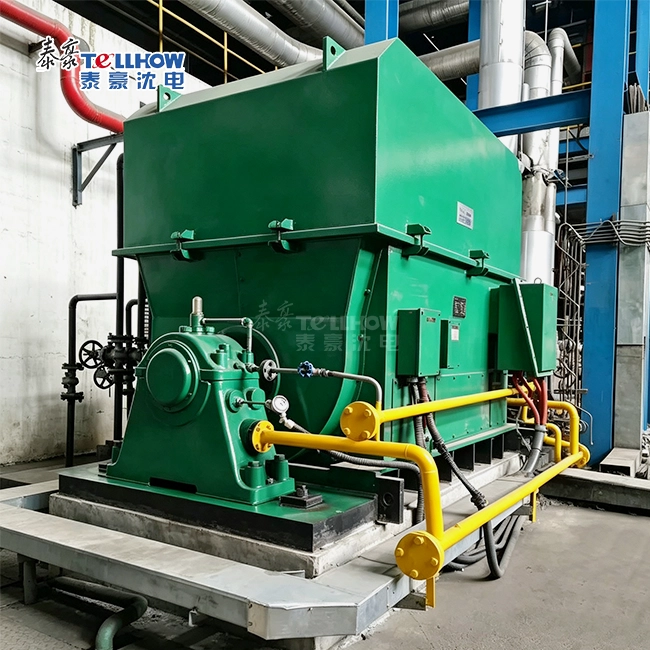 VIEW MOREhigh efficiency pump motor
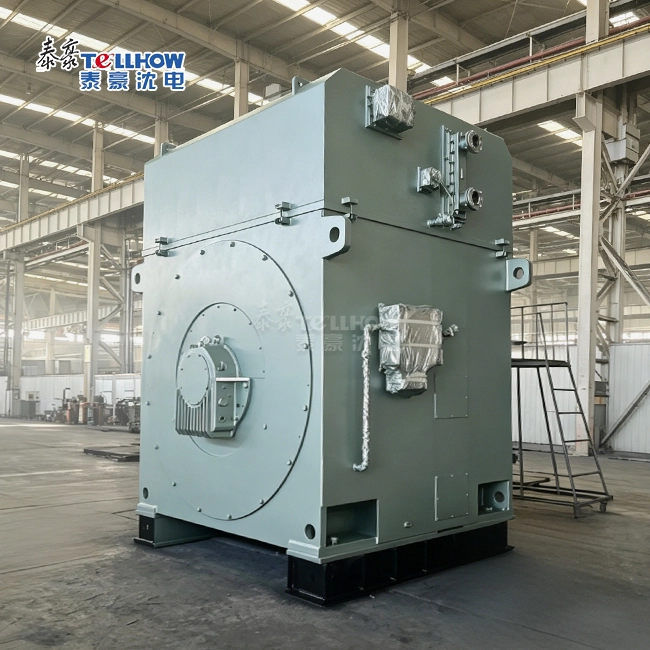 VIEW MORETEFC Stainless Steel Special Application Motors Anti Corrosion
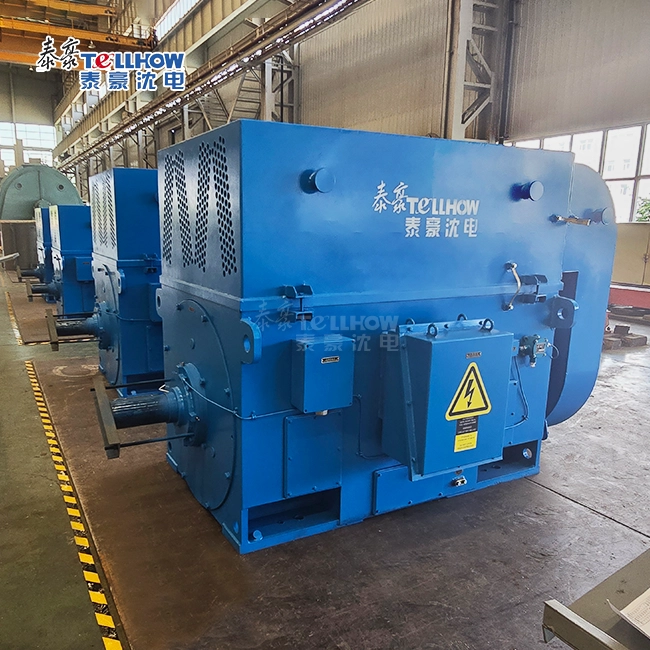 VIEW MOREprimary air fan motor
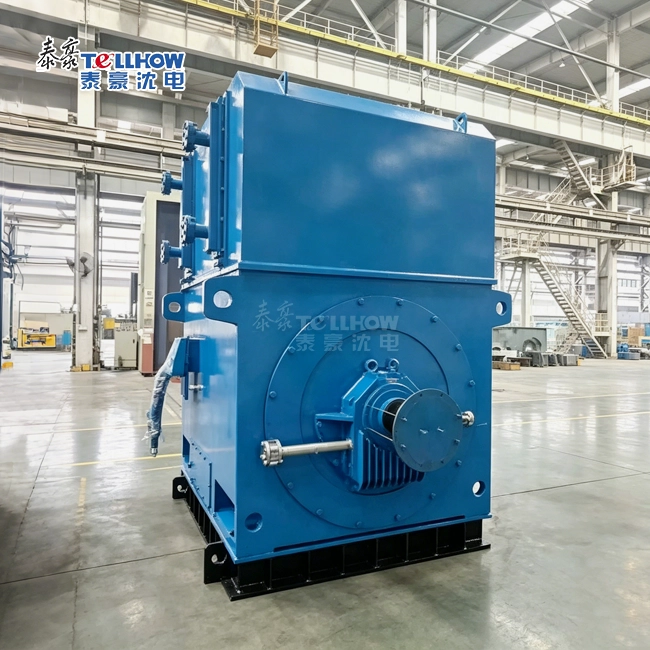 VIEW MOREHigh Torque Coal Mill Motor
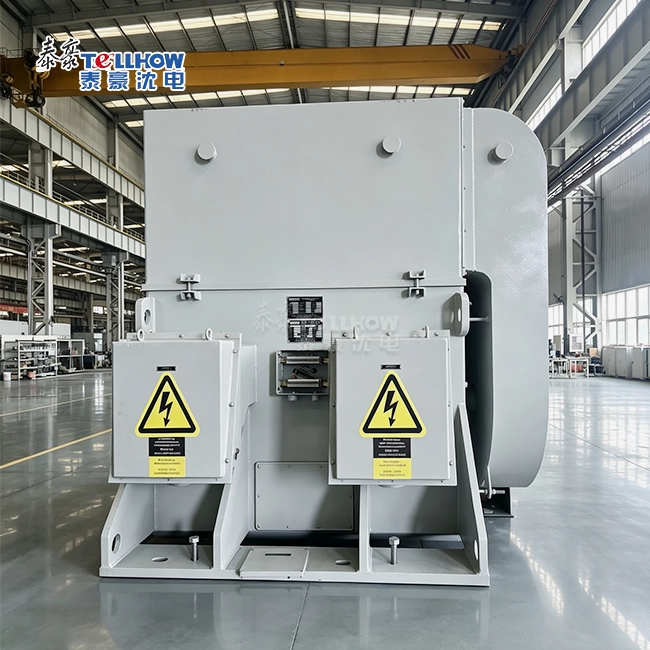 VIEW MOREHV Squirrel Cage Air cooling induction motor
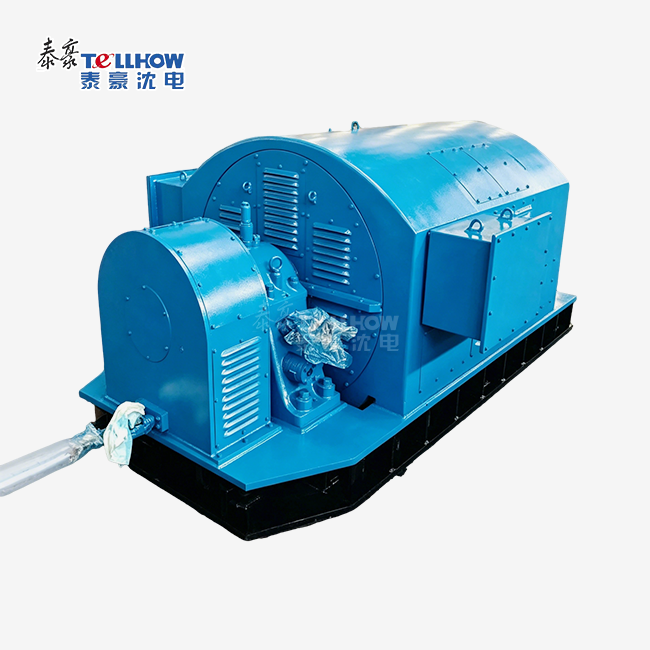 VIEW MORE3600rpm circulating Pump Power Plant Motor
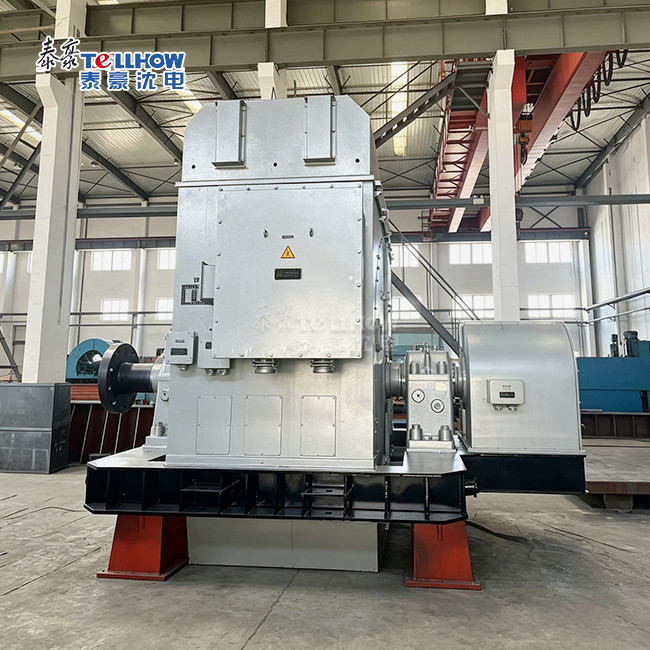 VIEW MOREPositive pressure increased safety synchronous motor