



Large Variable Frequency Synchronous Motor: Complete Buying Guide for Industry
A large variable frequency synchronous motor is one of the most important investments your facility can make when looking at advanced drive solutions for tasks that use a lot of energy. The synchronisation skills of standard synchronous motors are combined with the adaptable control of variable frequency drives in these large machines. This makes them much better at saving energy, being flexible, and controlling the process. Whether your team is in charge of cement plant retrofits, integrating power generation systems, or designing infrastructure for water treatment, knowing how these motors work in harsh industrial conditions will have a direct effect on the long-term reliability and total cost of ownership of your project.
Understanding Large Variable Frequency Synchronous Motors
The technology behind large variable frequency synchronous motors changes the way that big industrial equipment handles power in a basic way. In contrast to fixed-speed induction motors, these systems sync the rotor's spin with a customisable frequency source. This lets workers change speed and power on the fly across a large operating range.
How Variable Frequency Control Works
A wound-field or permanent magnet rotor locks into step with the rotating magnetic field of the stator. This is what makes up the heart of every large variable frequency synchronous motor. When paired with a variable frequency drive, the motor gets voltage and frequency signals that are exactly tuned. This lets it go from no speed to full load without any mechanical stress. This stepless speed regulation gives constant torque output below base speed and constant power delivery above it. This makes these motors perfect for uses that need to change loads often or have soft-start capabilities.
Key Performance Advantages
Energy efficiency is the main reason why large variable frequency synchronous motor solutions are used by so many people. When facilities replace fixed-speed motors with VFD-driven synchronous units, they often save more than 30% on energy costs. This is especially true for uses with changing loads like centrifugal pumps, fans, and compressors. Besides being cheaper, these motors offer high starting power without inrush currents, keep mechanical wear to a minimum through controlled acceleration, and make a lot less noise than regular drive systems.
Technical Specifications That Matter
When choosing a big variable frequency synchronous motor for your use, you need to pay close attention to a number of factors. Usually, power levels range from 400kW to 20,000kW, and voltages can be chosen from 600V to 10,000V to match your current electrical system. Rated frequency ranges from 5Hz to 85Hz, which can be used for both low-speed, high-torque tasks and high-speed, constant-power needs. The environmental suitability is based on protection grades (IP44, IP54, IP55), and cooling methods like IC81W air-to-water or IC616 closed-circuit systems make sure that the temperature stays stable during continuous use. Insulation class grades, like F-class insulation with B-class temperature rise, give thermal gaps that make things last longer, even in harsh situations like temperatures up to 40°C and heights of up to 1000 meters.
Comparing Large Variable Frequency Synchronous Motors and Other Motor Types
When buying teams know where big variable frequency synchronous motor technology really shines compared to other options, they can make smart choices that are in line with budget and business needs.
Synchronous vs. Induction Motor Performance
Even though they are less expensive and easier to build, induction motors are still popular. However, they are not as efficient or precise to control as large variable frequency synchronous motors. Synchronous motors keep their unity or leading power factor throughout their working range. This lowers the negative effects of reactive power and makes the grid more stable. Their consistent power gets rid of the slip losses that come with induction systems. This means that over multiple years of use, they use 15-20% less energy. Response time also favours synchronous designs—torque changes at the millisecond level allow precise process control in places like steel rolling mills and mine conveyors where multiple drives need to be in sync.
Lifecycle Cost Considerations
When bought, a large variable frequency synchronous motor usually costs more than an induction motor, but when you look at the total cost of ownership, you can see how valuable it really is. In most industrial settings, higher capital costs are recouped within 18 to 36 months by lower energy bills, less need for cooling, and longer periods between maintenance. Facilities that want to save energy through retrofit EPC contracts find that performance guarantees and incentive structures that are linked to measured reductions in energy use work best when there are proofs of efficiency gains.
Environmental and Compliance Benefits
Pressure from governments around the world to be more energy efficient keeps growing. Large synchronous motor designs that meet IE4 or higher efficiency levels meet strict requirements set by directives like the EU ErP (Energy-related Products) regulation and different regional energy-saving laws. These benefits of compliance make project approvals easier and put forward-thinking facilities ahead of when standards are expected to get stricter.
How to Choose the Best Large Variable Frequency Synchronous Motor for Your Industry Needs
To choose the best large variable frequency synchronous motor configuration, you need to carefully look at the needs of the application, the operating conditions, and the limitations of the integration.
Assessing Application-Specific Requirements
Start by writing down the duty cycle features of your process, such as whether it runs continuously or intermittently, how often the speed changes, and how the power profile changes across the working range. Heavy-duty uses, like SAG mills in mining, need motors that can start quickly and run at a low speed all the time. Centrifugal pump drives, on the other hand, focus on being efficient when only partially loaded. Load inertia calculations help you choose the right pole configuration (4–20 poles are available) and make sure that the large variable frequency synchronous motor you choose can speed up the equipment it drives in a reasonable amount of time without overheating.
Environmental and Installation Factors
The operating environment has a big effect on motor specifications. Facilities near the coast need better rust protection than the normal container ratings, and sites above 1000 meters need to have their ratings changed or their cooling systems made better. The amount of room you have determines how you put the VFD—horizontally, vertically, or on a stand—and whether you choose an integrated or remote VFD. The choice of cooling method (air-to-water, air-to-air, or closed-circuit) strikes a balance between efficiency, ease of upkeep, and the availability of site utilities.
Customization vs. Standard Solutions
Large variable frequency synchronous motor solutions that are OEM-customized can be precisely aligned with specific application needs, such as custom winding configurations, changed shaft dimensions, specialised cooling systems, or higher insulation classes for harsh environments. But customisation makes wait times longer, and unit costs go up. Standard catalogue goods offer faster shipping and lower prices, but they might not work as well in all situations. Getting providers involved early in the definition phase, ideally during the basic design phase, lets you make trade-offs that are good for both technical performance and business terms.
Supplier Qualification Criteria
Throughout the lifecycle of a motor, risk is kept to a minimum by working with manufacturers that have a lot of experience with specific applications and a strong support infrastructure. Look at potential suppliers based on their design skills (in-house engineering resources, simulation tools, testing facilities), their manufacturing quality (process controls, material traceability, inspection protocols), and their global service networks (availability of spare parts, response times for field service, and technical training programs). Quality management systems are objectively checked by certifications like ISO 9001, CE, UL, and approvals specific to the business (ATEX for dangerous atmospheres, marine ratings).
Installation, Maintenance, and Troubleshooting Best Practices for LVFSM
To get the best return on investment from big variable frequency synchronous motor installations, you need to pay close attention to the commissioning steps and planned maintenance.
Installation Guidelines
It is necessary for the motor and the equipment it drives to be properly aligned mechanically. If they are not, the mismatch speeds up bearing wear and causes damaging vibrations. Precision alignment tools should check that the angle and parallel alignments are within the limits set by the maker, which are usually less than 0.05mm. When installing electricity, it's important to pay close attention to how the VFD is grounded. This is because high-frequency switching creates common-mode currents that can damage bearings through electrical discharge machining (EDM). Putting grounding brushes on the drive end and shielded bearings on the non-drive end is a good way to reduce the risks of shaft current that come with VFD-driven uses.
Preventive Maintenance Protocols
Large variable frequency synchronous motors last longer and have less unplanned downtime when they have a well-structured maintenance program. Inspections should be done every three months to check the temperature and vibration patterns of bearings using handheld or permanently mounted sensors. This will set baseline trends that show new problems before they become catastrophic. Testing the insulation resistance once a year makes sure that the windings are still solid, which is especially important because VFD pulse-width modulation puts a lot of stress on the windings. Aside from checking the diode bridge every so often, brushless excitation systems don't need much maintenance. On the other hand, slip-ring designs need regular carbon brush monitoring and commutator resurfacing.
Troubleshooting Common Issues
Systematic tests speed up the solving of performance problems when they happen. Changes in torque are often caused by VFD parameter mismatches. Control instability is usually fixed by checking the acceleration ramps, current limits, and encoder feedback configurations. High bearing temperatures could mean that the grease is wearing off or that the bearings are moving out of line. The machine needs to be shut down right away to stop damage from spreading. Using ultrasound or electrical methods for partial discharge testing can find insulation degradation caused by VFD voltage stress. This lets proactive rewinding happen before turn-to-turn faults happen. Keeping detailed maintenance logs and working with providers that offer online debugging help cuts down on the time needed to figure out what's wrong and keeps production going.
Leading Brands, Suppliers, and Procurement Insights for LVFSM
Navigating the global marketplace for large variable frequency synchronous motor solutions requires understanding supplier capabilities, commercial structures, and value-added services that differentiate commodity transactions from strategic partnerships.
Evaluating Manufacturer Capabilities
Tellhow Shenyang Electric Machine Co., Ltd. exemplifies the comprehensive capabilities required for demanding industrial applications. Established through the 2011 integration of specialized motor manufacturing expertise, the company operates a modern 190,000-square-meter production facility with 8-million-kW annual capacity. Their product portfolio spans 49 series encompassing over 2,100 specifications, including large variable frequency synchronous motor designs from 400kW to 20,000kW across voltage classes from 600V to 10,000V. This breadth enables single-source procurement for complex projects while ensuring component compatibility and streamlined technical support.
The company's engineering depth shows through proprietary design innovations—high-efficiency magnetic circuit configurations, reinforced VPI insulation systems meeting IEC 60034-18-41 standards for voltage spike resistance, and patented cooling architectures delivering 30% improved heat dissipation compared to conventional designs. Manufacturing precision controls component tolerances within ±0.005mm, ensuring consistent quality across production runs and minimizing field installation challenges.
Quality Assurance and Certifications
Comprehensive certification portfolios validate compliance with global standards and facilitate market access across diverse regulatory environments. Leading manufacturers maintain CE certification covering Low Voltage Directive (LVD), Electromagnetic Compatibility (EMC), and ErP energy efficiency requirements for European markets. UL and cULus listings address North American electrical safety specifications, while regional certifications such as SASO (Saudi Arabia), SNI (Indonesia), PSE (Japan), and KC (South Korea) demonstrate commitment to serving international customers. Domestic Chinese certifications including CCC and energy-saving marks support local procurement preferences and subsidy eligibility.
Beyond regulatory compliance, rigorous quality control protocols define manufacturing excellence. Insulation resistance and polarization index testing verify VPI system integrity, while partial discharge measurement detects early insulation degradation. Dynamic balancing to ISO 1940 standards eliminates vibration sources, and comprehensive heat run testing validates thermal performance under rated load conditions. Full-load back-to-back testing confirms efficiency claims and reveals any performance deviations before shipment.
Commercial Considerations and Support Services
Knowing how prices are set helps buying teams make good budgets and negotiate well. The price of a large variable frequency synchronous motor depends on its power rating, voltage class, the level of customisation needed, and the number of orders placed. Standard catalogue products get cheaper as they are bought in bulk, while engineered-to-order solutions cost more but are better for certain applications. Getting clear on lead times early on—usually within three months of receiving advance payment—allows for realistic project scheduling.
The terms of the warranty are an important way to reduce risk. Standard offers usually include 18 months of coverage for the whole machine and 24 to 36 months of coverage for key components like the stator, rotor, and bearings. Customised solutions for difficult locations may need longer coverage because of the engineering complexity. Long-term value is increased by service agreements that come after the guarantee and include regular checks, priority access to extra parts, and set upkeep funds.
Global service networks show how well suppliers can help operations that are spread out in different places. Local extra parts storage, regional service centers with on-site response times of 24 to 48 hours, and technical support teams that speak more than one language set long-term partnership-focused vendors apart from transaction-focused ones. Training programs that teach customers how to do their own repair make them less reliant on outside service providers and make sure that proper care is taken.
Conclusion
To choose the best large variable frequency synchronous motor, you have to balance technical needs with practical considerations. When properly designed and kept, these high-tech tools offer measurable gains in efficiency, better process control, and lower operational costs. To be successful, you need to carefully look at the application, the supplier, and your commitment to best practices for installation and maintenance. As the cost of energy for factories keeps going up and rules around the world get stricter on being efficient, buying high-performance variable frequency drive systems is not only a good idea financially, it's also necessary for running the factories. When procurement teams work with manufacturers that have strong application knowledge, a full support infrastructure, and quality systems that have been proven to work, their facilities are set up to stay ahead of the competition.
FAQ
1. How does variable frequency operation affect motor insulation?
VFD switching generates voltage spikes that stress motor windings. Quality large variable frequency synchronous motor designs employ reinforced VPI insulation systems and corona protection meeting IEC 60034-18-41 standards, ensuring reliable operation despite harsh electrical environments created by pulse-width modulation.
2. Can these motors improve facility power factor?
Absolutely. By adjusting excitation current, a large variable frequency synchronous motor provides reactive power compensation, effectively functioning as a synchronous condenser that improves grid power factor and potentially reduces utility demand charges.
3. What maintenance intervals apply to excitation systems?
Brushless excitation designs require minimal attention—periodic diode bridge inspection and annual insulation testing suffice. Slip-ring systems demand more frequent carbon brush monitoring, though modern brushless configurations have largely superseded older technologies in new installations.
Partner with SYSX MOTOR for Superior Variable Frequency Solutions
SYSX MOTOR brings 15 years of specialized manufacturing experience to every large variable frequency synchronous motor project we undertake. Our engineering team collaborates closely with energy-saving retrofit specialists, cement and steel group equipment directors, power generation integrators, VFD manufacturers, and water treatment contractors to deliver optimized solutions that exceed performance expectations. With production capacity spanning 400kW to 20,000kW across multiple voltage classes and comprehensive global certifications including CE, UL, SASO, and PSE, we serve as your single-source large variable frequency synchronous motor supplier for demanding industrial applications.
Our value proposition extends beyond product delivery—customization capabilities addressing unique operational requirements, rapid three-month lead times from order confirmation, and 24/7 technical support backed by regional service centers ensure your success throughout the motor lifecycle. Contact our team at sxmotor@yeah.net to discuss your specific application requirements and receive detailed technical proposals tailored to your operational parameters. Discover why leading manufacturers worldwide trust SYSX MOTOR for mission-critical drive solutions.
References
1. International Electrotechnical Commission. (2020). Rotating Electrical Machines - Part 30-1: Efficiency Classes of Line-Operated AC Motors (IE Code). IEC 60034-30-1:2014+AMD1:2020.
2. Boldea, I., & Nasar, S. A. (2017). The Induction Machines Design Handbook (2nd ed.). CRC Press.
3. Chapman, S. J. (2019). Electric Machinery Fundamentals (5th ed.). McGraw-Hill Education.
4. Yen, S. W., & Fang, C. H. (2018). Variable Frequency Drive Applications in Industrial Energy Conservation Projects. Energy Efficiency, 11(7), 1847-1862.
5. Toliyat, H. A., & Kliman, G. B. (2018). Handbook of Electric Motors (3rd ed.). CRC Press.
6. National Electrical Manufacturers Association. (2021). NEMA MG 1-2021: Motors and Generators. NEMA Standards Publication.

USER EVALUATE
Here is the customer's evaluation of us
YOU MAY LIKE
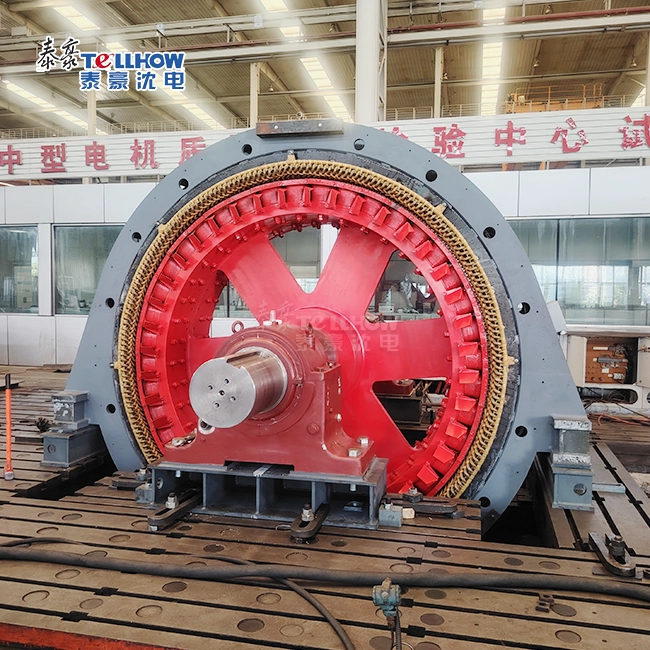 VIEW MOREball mill motor
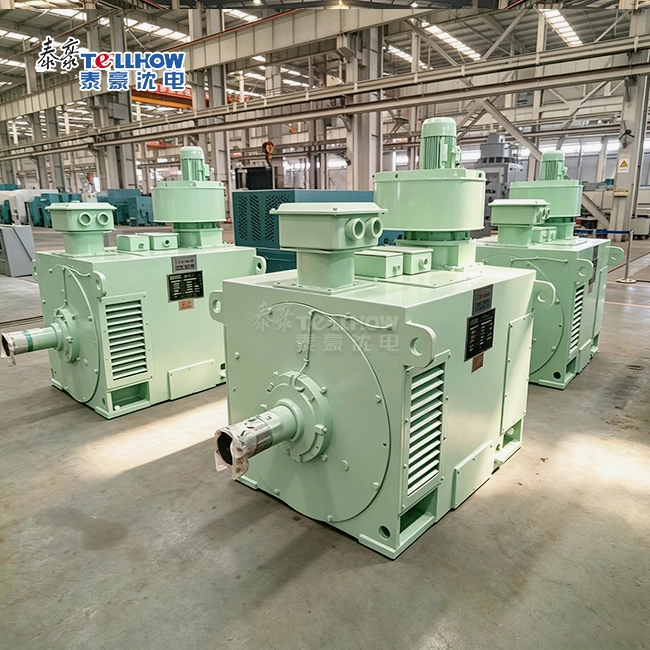 VIEW MOREMedium-speed general-purpose drive motors
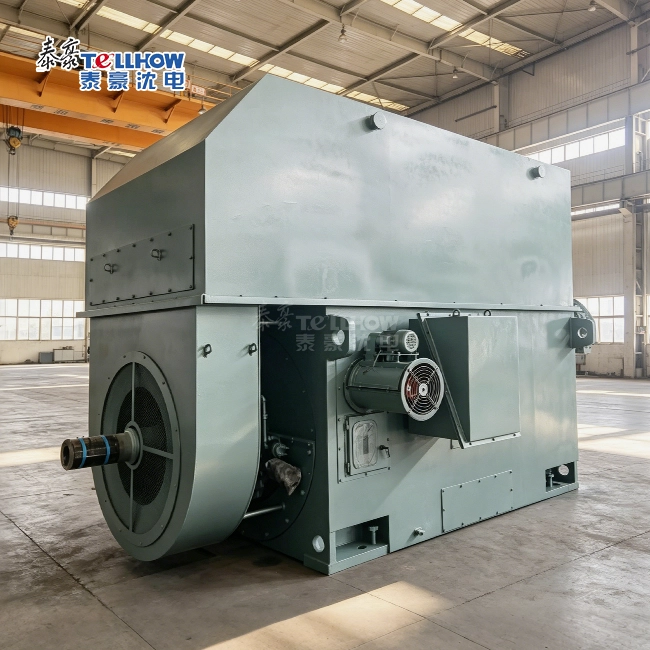 VIEW MOREWinding Rotor AC Asynchronous Special Application Motors For Crane
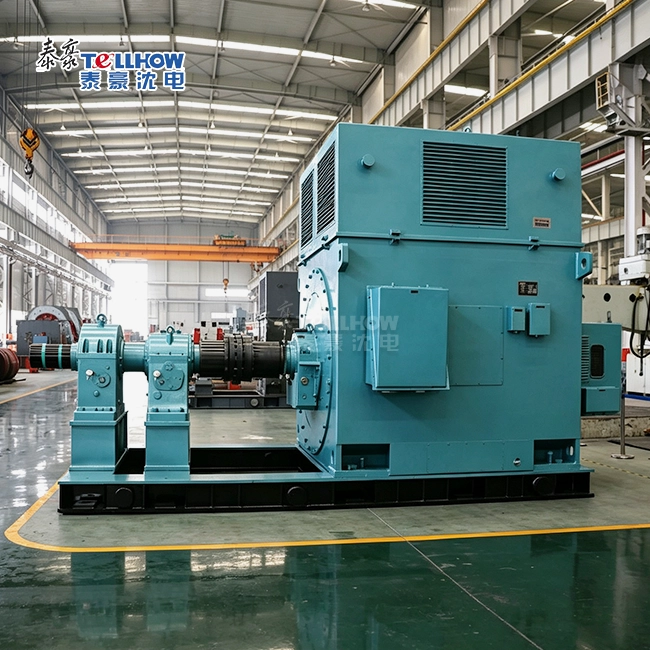 VIEW MOREopen type high voltage slip ring motor
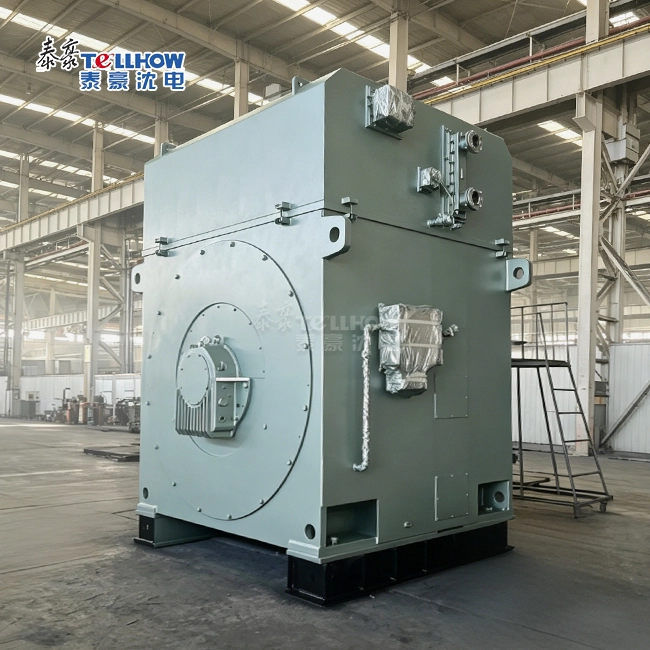 VIEW MORETEFC Stainless Steel Special Application Motors Anti Corrosion
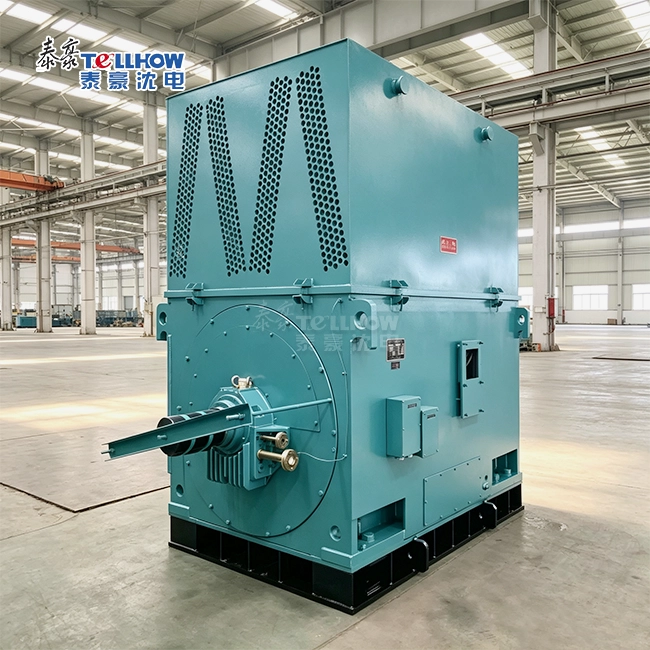 VIEW MOREdraft fan motor
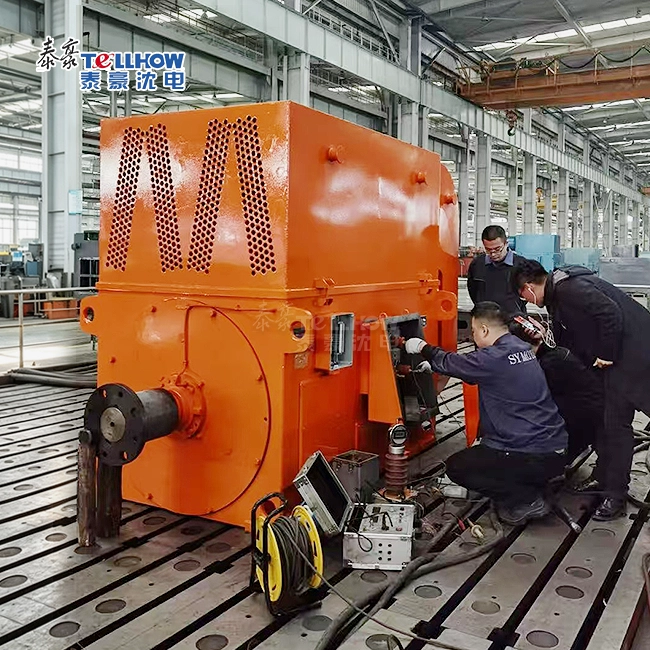 VIEW MOREHigh-Efficiency Energy-Saving Motors
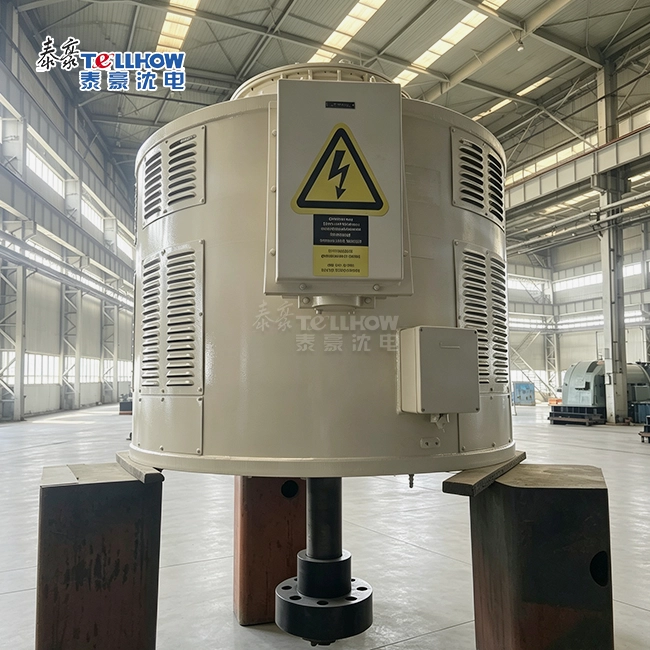 VIEW MOREVertical Synchronous Pump Motor