



Conference Recap | Taihao Shendian Embarks on a New Journey of Energy Conservation and Emission Reduction
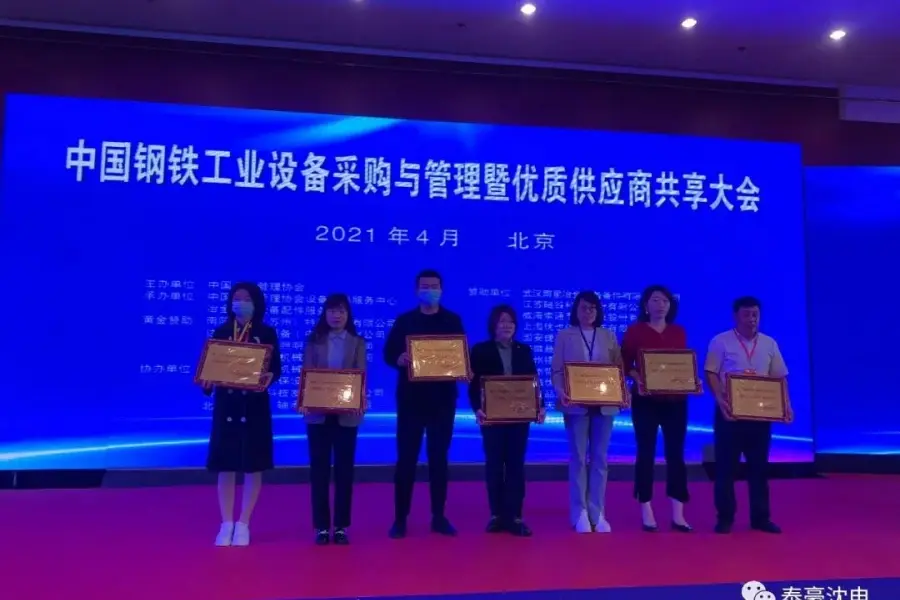
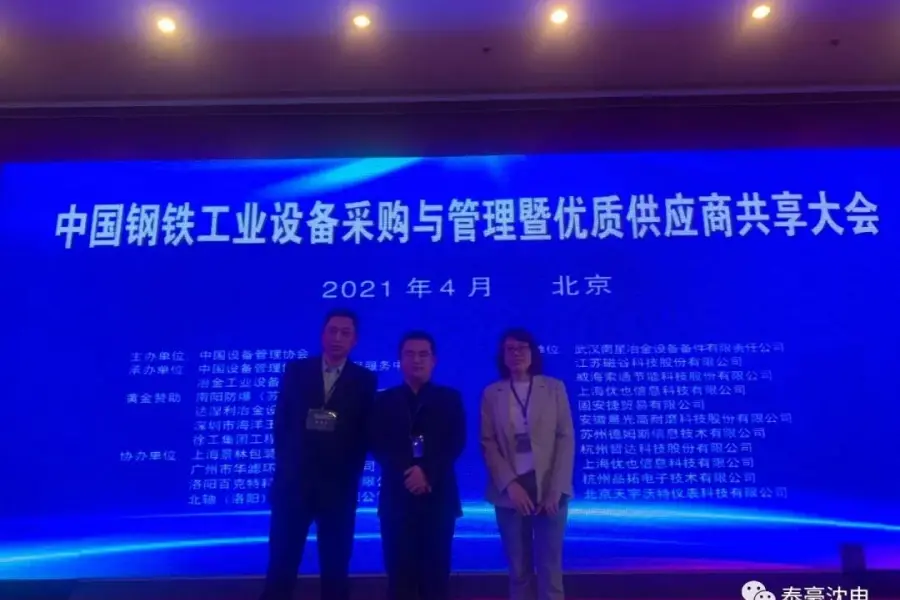
Recently, the "China Iron & Steel Industry Equipment Procurement and Management & Quality Supplier Sharing Conference," hosted by the China Association of Plant Engineering, concluded successfully at the Yellow River Jingdu Conference Center in Beijing.
The conference brought together procurement departments from renowned domestic and international steel companies and leading global equipment suppliers. It facilitated in-depth discussions across various sessions aimed at transforming and developing the steel industry, streamlining supply-demand channels, and elevating procurement management standards. The event effectively promoted the expansion and development of corporate quality supplier databases and laid the groundwork for building bridges of communication and cooperation while fostering information sharing.
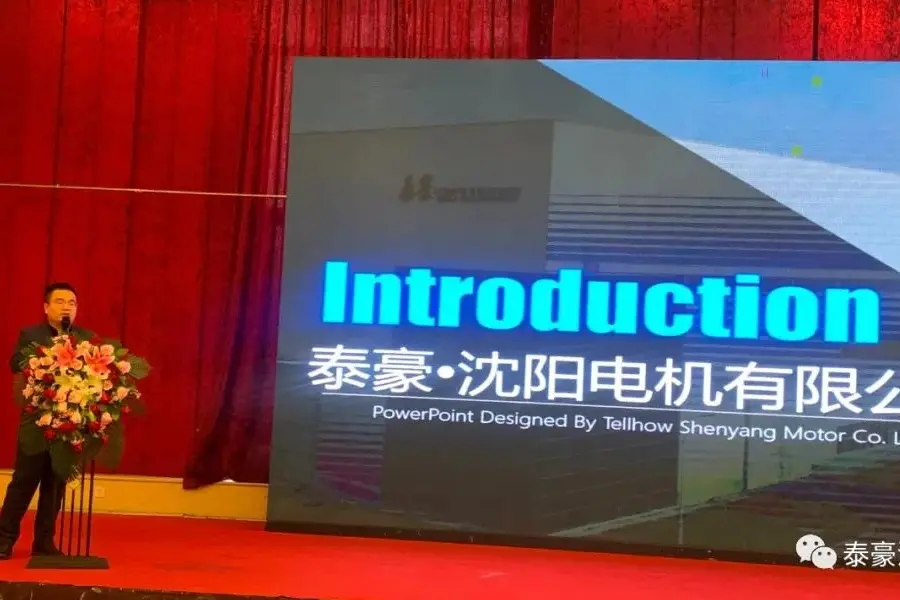
Taihao Shendian was invited to participate in the conference, where Ding Dong, Manager of the company's R&D Institute, delivered a presentation titled "Promotion and Application of High-Efficiency Permanent Magnet Motors." The presentation provided an in-depth analysis of the product structure, electrical performance, energy-saving capabilities, and development potential of these motors. It also highlighted case studies demonstrating the significant economic and social benefits delivered to end-users, earning widespread acclaim and praise from attendees.
In recent years, Taihao Shendian has achieved outstanding results in the field of permanent magnet motors, championing high efficiency and energy conservation in response to the national goals of peaking carbon emissions by 2030 and achieving carbon neutrality by 2060. Currently, the company's permanent magnet motor models—such as the TFYC500-24 (375kW, 400V, IP23), TYCKK500-6 (560kW, 10,000V, IP54), and TYCPT710-20 (400kW, 690V, IP54)—are operating successfully in major projects across the steel, water conservancy, metallurgy, and power sectors, both domestically and internationally.
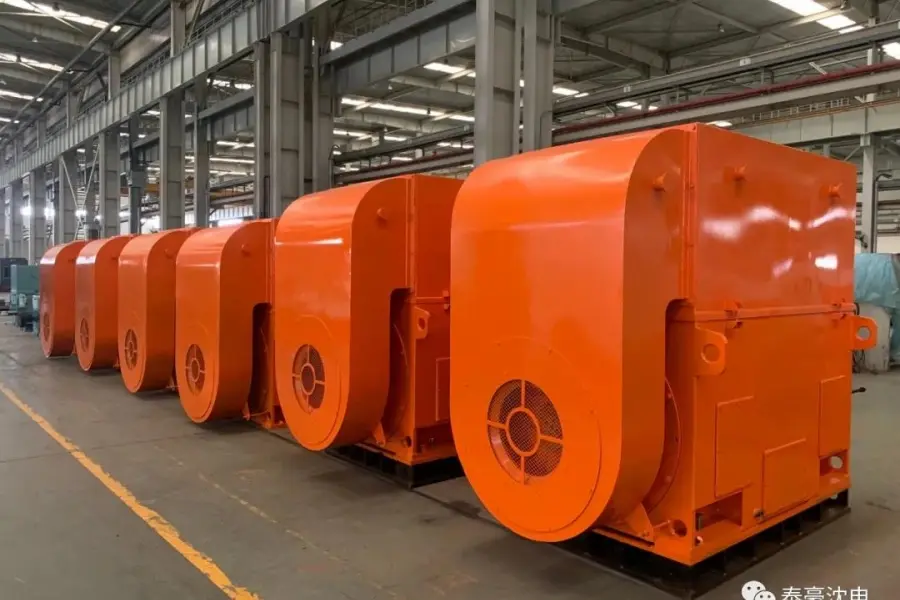
The self-starting Permanent Magnet Synchronous Motors independently developed and manufactured by the company enable the direct replacement of three-phase induction motors for driving various loads in the steel industry, such as fans, pumps, and rolling mills. Compared to conventional induction motors, these units offer ultra-high efficiency (meeting or even exceeding the national Grade 1 energy efficiency standard) and an exceptionally high power factor (exceeding 0.98). Due to their high efficiency and high power factor, these motors operate with a rated current more than 10% lower than that of conventional induction motors. They also significantly outperform induction motors in terms of vibration and noise levels. With lower energy losses, the rated operating temperature rise is 10K–20K lower than that of induction motors. Compared to standard induction motors, they offer a 3–5 percentage point improvement in energy efficiency and eliminate the need for reactive power compensation. Furthermore, these permanent magnet synchronous motors (PMSMs) maintain high efficiency and power factor across a broad load range (5%–120%), delivering even more pronounced energy savings during partial-load operation. They can be custom-designed to provide high starting torque and overload capacity, meeting the specific starting and overload requirements of various mechanical loads.
The low-speed direct-drive PMSMs developed by Taihao Shendian are widely used to drive low-speed machinery such as ball mills, fans, belt conveyors, and mixers. The motor's power factor is independent of the number of poles; when paired with a variable frequency drive (VFD) system, the motor can achieve rated operation at low speeds using a high pole count and low frequency. This configuration eliminates intermediate components like gearboxes and belts, creating a direct-drive system powered by the PMSM. This enhances transmission efficiency, significantly boosting overall system performance, while simplifying the system structure, reducing potential failure points, and lowering maintenance costs.

USER EVALUATE
Here is the customer's evaluation of us