



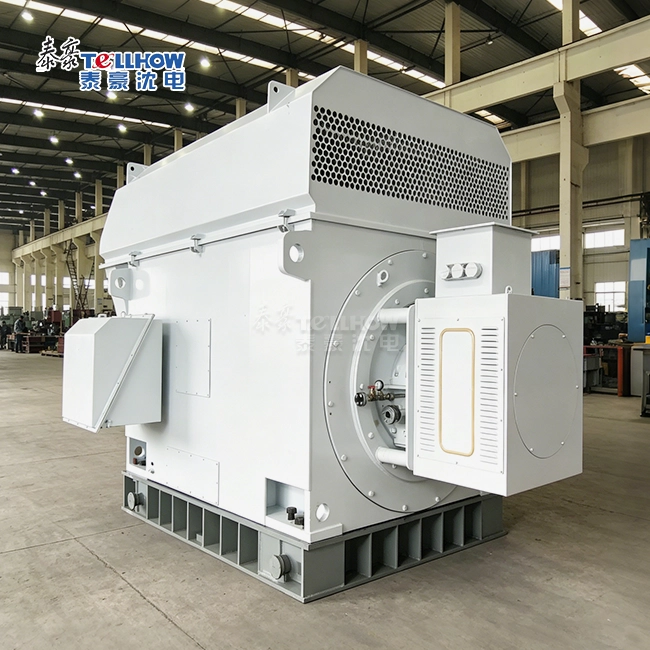
slip ring wound rotor induction motor
- Product Description
Slip Ring Wound Rotor Induction Motor – Heavy-Duty Power Solutions
Our slip ring wound rotor induction motor gives you the best performance when your industry tasks need high starting power and controlled current draw. These business-grade motors are made by Tellhow Shenyang Electric Machine Co., Ltd. They have shaft heights ranging from 355mm to 1120mm and power levels from 160kW to 10,000kW. They are designed to handle big loads and can reach up to 250% of their maximum power during starting while drawing very little current. This keeps your facility's electrical system safe. These motors are reliable in even the harshest industrial settings because they have VPI insulation systems rated Class F or H, shaking levels kept below 2.3mm/s according to IEC 60034 standards, and a range of cooling choices from IC01 to IC86W.
Why Choose Wound Rotor Technology for Your Operations?
You always have to deal with the problem of starting big machines without putting too much strain on the power grid. When traditional motors start up, they sometimes produce huge current spikes that reach 600–800% of their maximum current. This puts stress on transformers, breaks circuit breakers, and makes energy costs go up.
Our folded rotor concept is a beautiful way to solve this problem. You can finetune the starting features by connecting external resistors through slip rings that were carefully designed. Your machine speeds up easily and only uses as much electricity as it needs.
Benefits You'll See in Real Life:
- Less stress on infrastructure: starting currents kept at amounts that can be handled
- Full Torque Right Away: High escape force for heavy starts
- Flexibility in speed: Change the rotor resistance to fit the needs of the process
- Grid Stability: Voltage drops don't affect other electronics in the building
Technical Excellence Built Into Every Motor
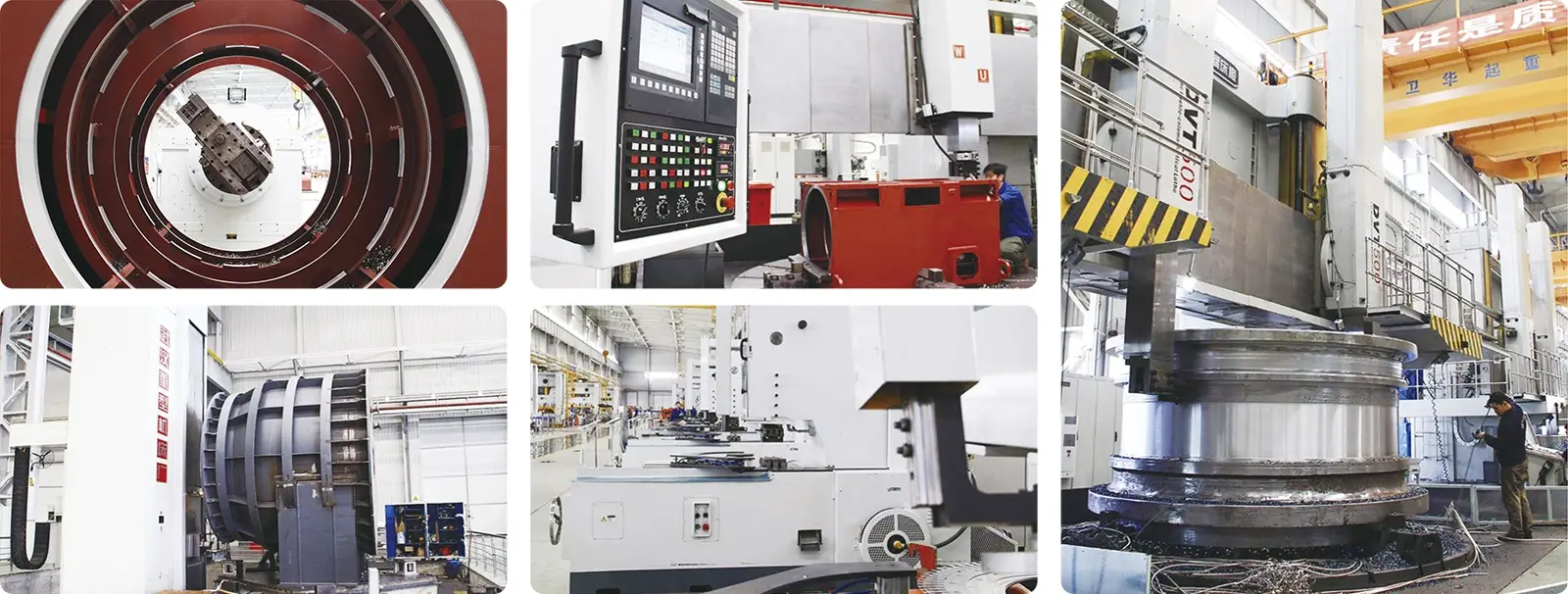
Robust Construction Standards
We use welding steel frames that can last for decades of continued use to make each slip ring wound rotor induction motor. The modular design makes servicing easier because you can get to the slip rings and brush sections without taking the whole thing apart.
To keep energy loss to a minimum, core laminations use high-quality silicon steel. Copper windings go through Vacuum Pressure Impregnation, which makes a shield that doesn't let water in and keeps the dielectric stability even in rough conditions.
Precision Engineering Details
The wheels in your motor are carefully balanced and have been tested dynamically to make sure they work. Ball bearings are chosen because their L10 life rates are more than 40,000 hours. Terminal boxes can accept different wire entry layouts, which makes placement easier in small areas.
Points for Checking the Quality:
- Analysis of vibrations at several load points
- Testing for high potential according to IEC rules
- Heat run tests to confirm temperature performance
- Checking the noise level in controlled settings
Technical Specifications
| Parameter | Specification Range |
|---|---|
| Frame Size | 315, 355, 400, 450, 500, 560, 630, 710, 800, 900, 1120 mm |
| Power Output | 160 kW – 10,000 kW (200 HP – 13,500 HP) |
| Voltage | 400/690V, 3kV, 3.3kV, 4.16kV, 6kV, 6.6kV, 10kV, 11kV, 13.8kV |
| Frequency | 50/60 Hz (constant or variable speed via VFD) |
| Protection Class | IP00, IP23, IP24, IP54, IP55, IP56 |
| Cooling Methods | IC01, IC06, IC411, IC416, IC511, IC516, IC611, IC616, IC666, IC81W, IC86W, IC37 |
| Mounting | IMB3, IMB35, IMV1, IM7311 |
| Insulation Class | F or H (with Class B or F temperature rise) |
| Efficiency | IE2, IE3, IE4, IE5 |
| Standards | IEC 60034, NEMA, GOST, BS, ANSI, IEEE, VDE, EN |
| Certifications | CCC, CE, ROHS, UL, VDE, EAC, ISO9001-2015 |
Where These Motors Excel
Heavy Industrial Processing
Ball mills in cement plants benefit enormously from wound rotor technology. The high starting torque overcomes the static load of grinding media and raw material. You can adjust speed during operation to optimize grinding efficiency without changing motor configurations.
Steel rolling mills require precise torque control during the reduction process. Our motors respond instantly to load variations, maintaining material quality through consistent mechanical power delivery.
Mining and Extraction
Crushers handling ore and aggregate demand motors that start under full load conditions. The external resistance control allows your equipment to break through blockages without thermal damage to windings.
Conveyor systems spanning kilometers need reliable drives that handle variable loading. Whether moving coal, ore, or bulk materials, these motors maintain steady operation through environmental extremes.
Infrastructure Projects
Pumping stations moving water or slurry operate more economically with speed-adjustable motors. You match pump performance to actual demand rather than throttling output—saving energy and reducing mechanical wear.
Large ventilation fans in tunnels or industrial facilities require soft-start capability to prevent mechanical shock. Gradual acceleration extends equipment life while maintaining worker safety during commissioning.

Customization for Your Specific Needs
Every industrial application presents unique challenges. Our engineering team works directly with you to configure motors matching your exact requirements.
Available Customization Options:
- Voltage and frequency matching your local grid
- Modified shaft extensions for direct coupling
- Special bearing arrangements for unusual loads
- Enhanced corrosion protection for chemical environments
- Integrated monitoring sensors (PT100, PTC, vibration sensors)
- Explosion-proof enclosures for hazardous locations
- Custom color schemes matching facility standards
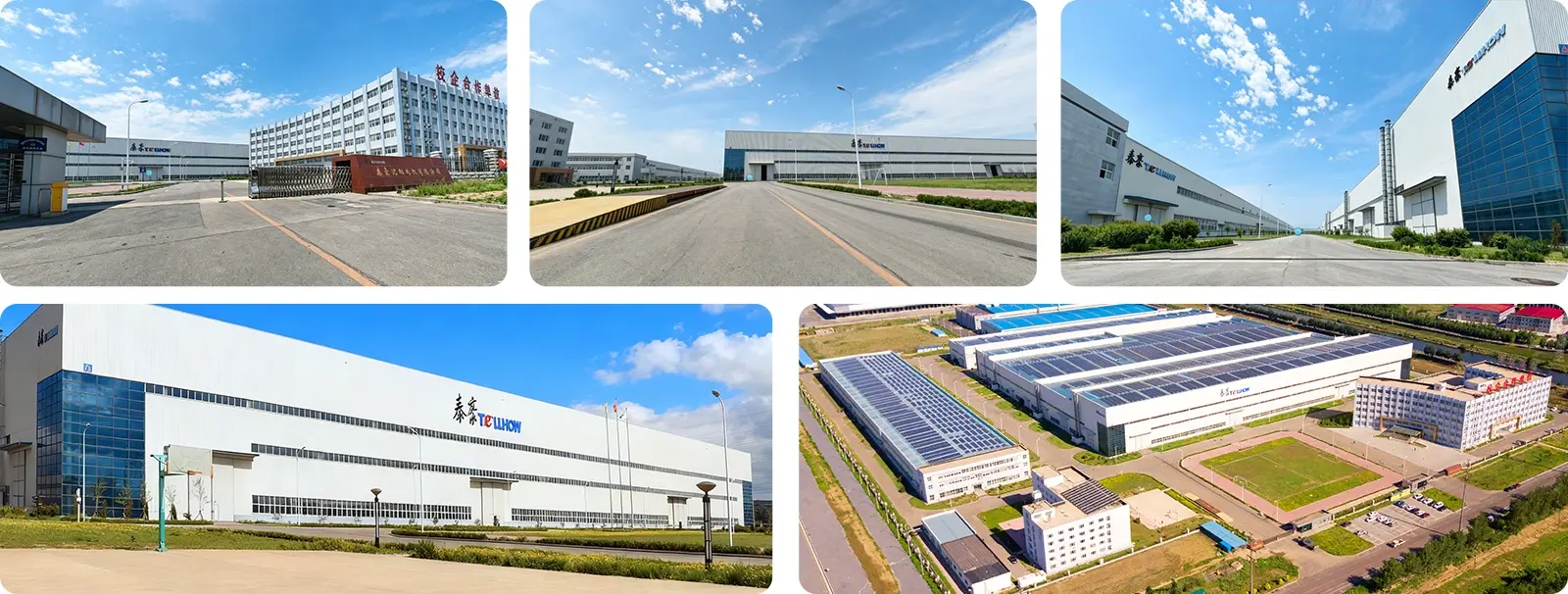
We support both small prototype runs and large-scale production orders through our 8-million-kW annual capacity facility.
Maintenance Accessibility
You need slip ring wound rotor induction motor that keep running, but when service is required, accessibility matters. Our design philosophy prioritizes maintainer-friendly features.
The brush holder assemblies swing outward for inspection without disconnecting power cables. Slip rings are machined to tight tolerances, extending brush life and reducing particulate contamination. Lifting eyes are positioned for balanced hoisting during installation or removal.
Bearing housings accept standard-size elements available globally. You're not locked into proprietary parts with extended lead times.
Global Support Network
You're investing in equipment that may run 20+ years. Our commitment extends far beyond the initial sale.
With service centers across major industrial regions, you receive localized technical support in your language and time zone. Our engineers assist with installation commissioning, performance optimization, and troubleshooting.
We maintain extensive spare parts inventory ensuring critical components ship within 48 hours. For planned maintenance, we provide advance scheduling and technical documentation customized to your specific motor configuration.
Frequently Asked Questions
Q: How does a product differ from a squirrel cage motor?
A: The key difference lies in rotor construction. While Squirrel Cage Motors have cast aluminum or copper bars permanently short-circuited, wound rotors feature insulated coils connected to external circuits through slip rings. This allows you to insert variable resistance during starting or running, giving you control over torque and speed that squirrel cage designs can't match. You'll choose wound rotor technology when starting torque requirements exceed 200% or when you need adjustable speed without electronic drives.
Q: What maintenance does the slip ring assembly require?
A: You should inspect brushes every 2,000-3,000 operating hours depending on duty cycle. Check for even wear patterns and proper spring tension. Clean slip ring surfaces quarterly using approved solvents to remove carbon dust buildup. Most installations require brush replacement annually under normal conditions. The entire process takes 1-2 hours with the motor de-energized. Our motors feature externally accessible brush holders—no need to dismantle coupling or bearing assemblies.
Q: Can these motors operate with variable frequency drives?
A: Yes, though it's not the primary use case. When you combine a wound rotor motor with a VFD, you gain both the starting advantages of resistance control and the running efficiency of frequency regulation. This configuration works well for applications requiring extremely wide speed ranges or where existing wound rotor motors are being retrofitted. The external rotor resistance can be short-circuited during normal running while the VFD handles speed control.
Q: What starting current can I expect compared to direct-on-line starting?
A: With properly sized external starting resistors, you'll limit inrush current to 150-250% of full load current—compared to 600-800% for DOL starting of equivalent squirrel cage motors. This dramatic reduction protects upstream electrical equipment and allows motor installation in facilities with limited transformer capacity. The trade-off is slightly lower efficiency during the acceleration period due to energy dissipated in resistors.
Q: Are spare parts readily available internationally?
A: We maintain regional distribution centers stocking critical wear components including brush sets, bearing assemblies, and terminal hardware. Standard frame sizes use internationally recognized dimensions, so many mechanical parts cross-reference with other manufacturers. For specialized components, we offer expedited manufacturing with typical lead times of 2-4 weeks for rotor windings or custom slip ring assemblies shipped globally.
Q: What protection features prevent motor damage during abnormal conditions?
A: Our motors accommodate multiple protection devices. Embedded PT100 or PTC thermistors monitor winding temperature, triggering alarms before insulation damage occurs. Optional SPM vibration sensors detect bearing degradation or mechanical imbalance. Space heaters prevent condensation during shutdown periods in humid environments. When integrated with motor protection relays, these sensors create a comprehensive safeguarding system preventing catastrophic failures.
Contact Us
Reach our engineering team at sxmotor@yeah.net to discuss your requirements for slip ring wound rotor induction motor.

USER EVALUATE
Here is the customer's evaluation of us
YOU MAY LIKE
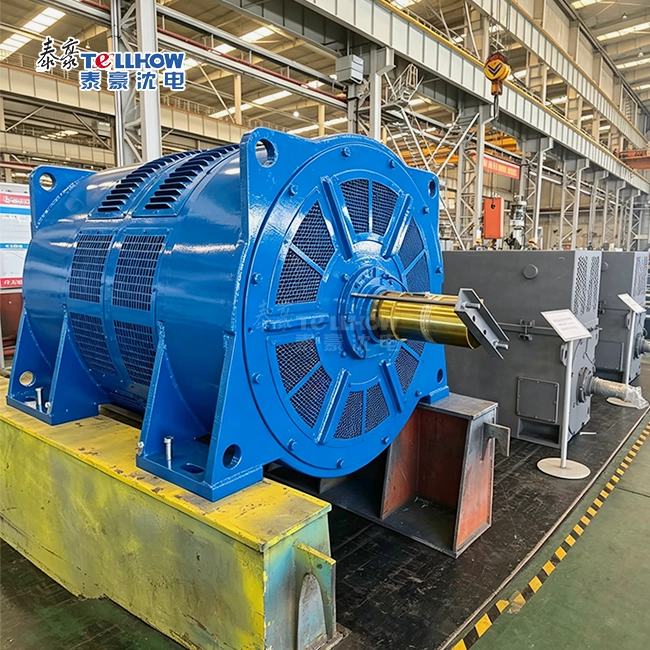 VIEW MORE3 Phase Asynchronous Wound Rotor Induction Motor
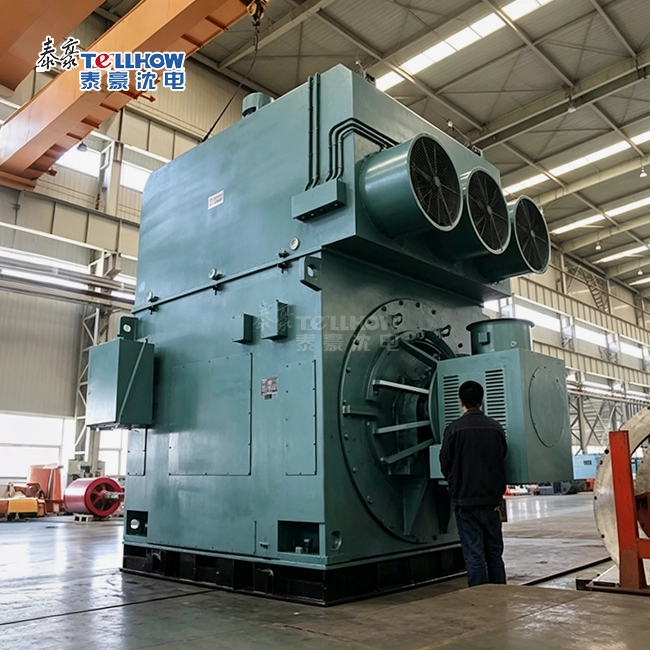 VIEW MOREvariable frequency wound rotor slip ring motor
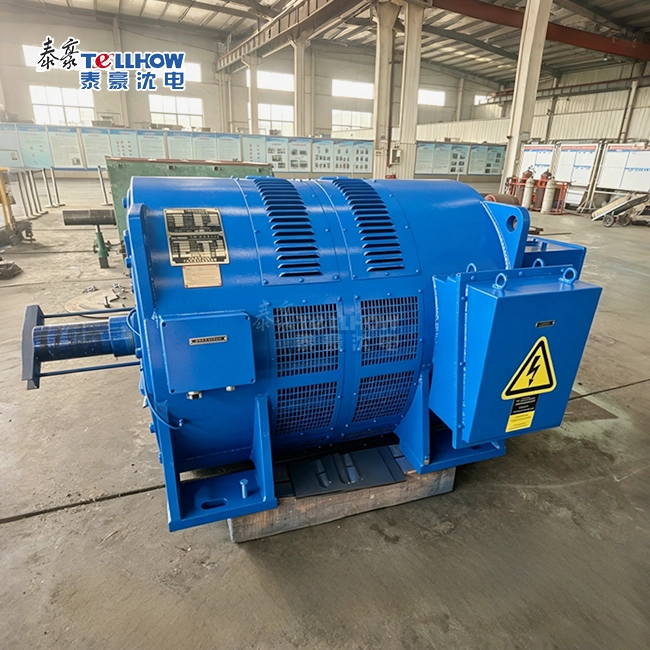 VIEW MOREIndustrial Electric slip Ring Wound Rotor Induction Motors
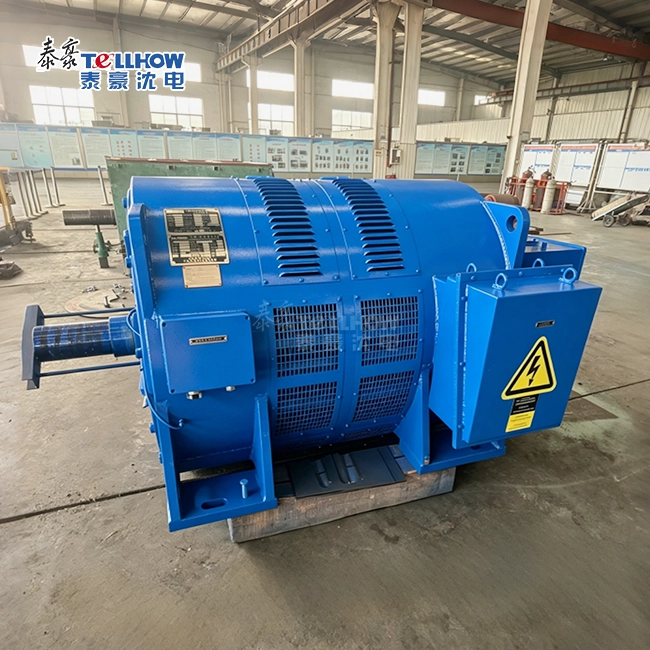 VIEW MOREFabricated Steel High Torque Wound Rotor Induction Motor
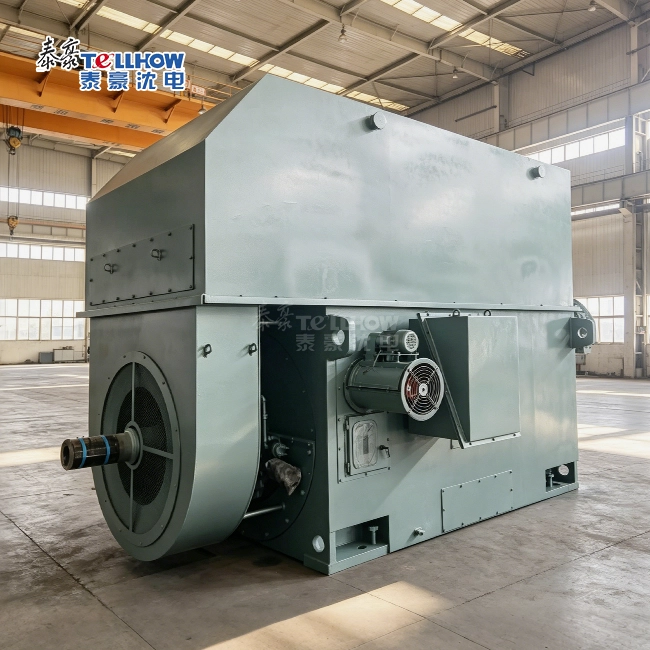 VIEW MOREWinding Rotor AC Asynchronous Special Application Motors For Crane
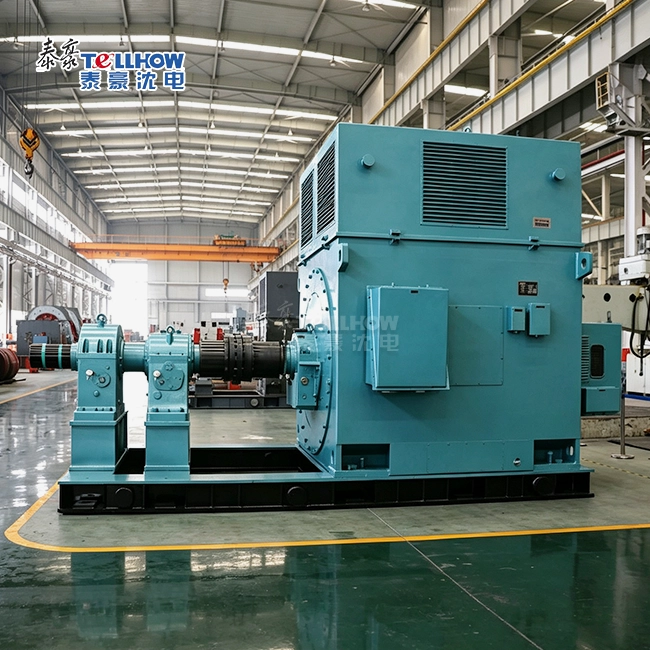 VIEW MOREopen type high voltage slip ring motor
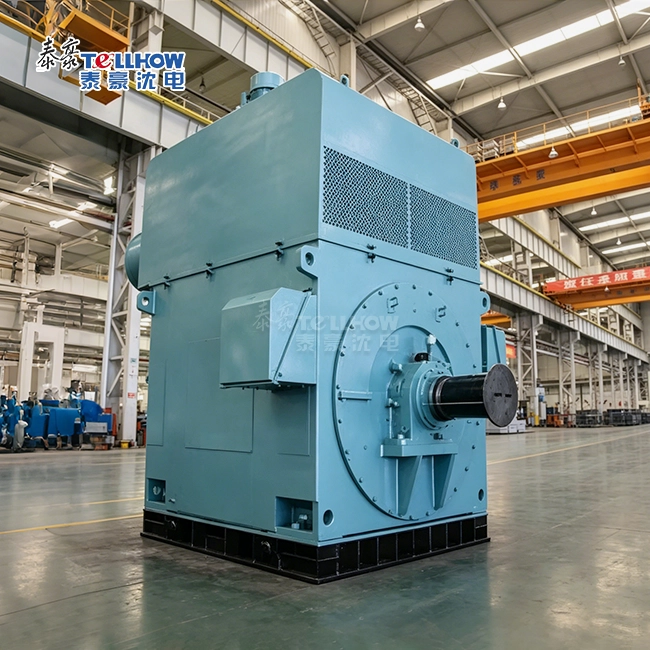 VIEW MOREair-water cooling slip ring motor
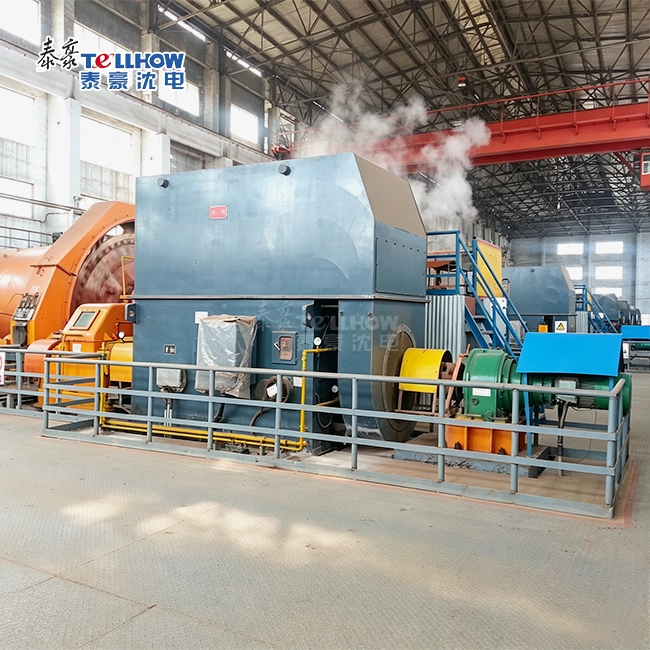 VIEW MOREpipe cooling high voltage slip ring motor