



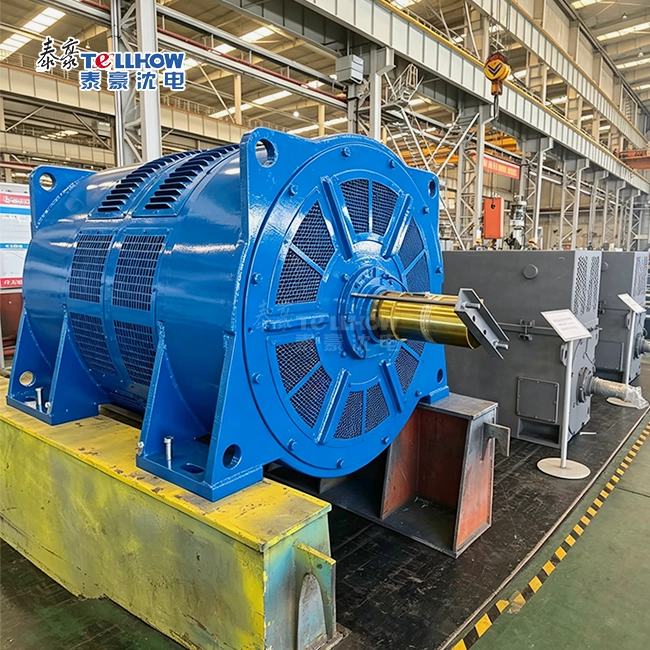
3 Phase Asynchronous Wound Rotor Induction Motor
- Product Description
3 Phase Asynchronous Wound Rotor Induction Motor
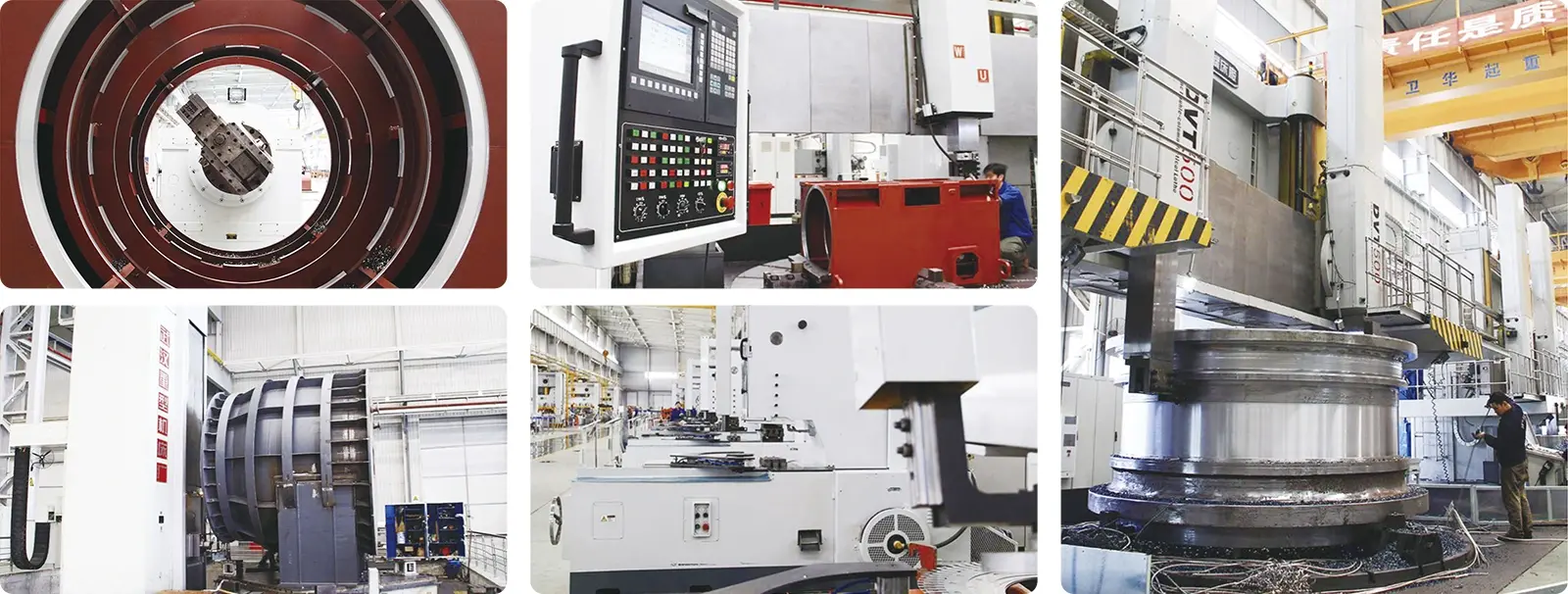
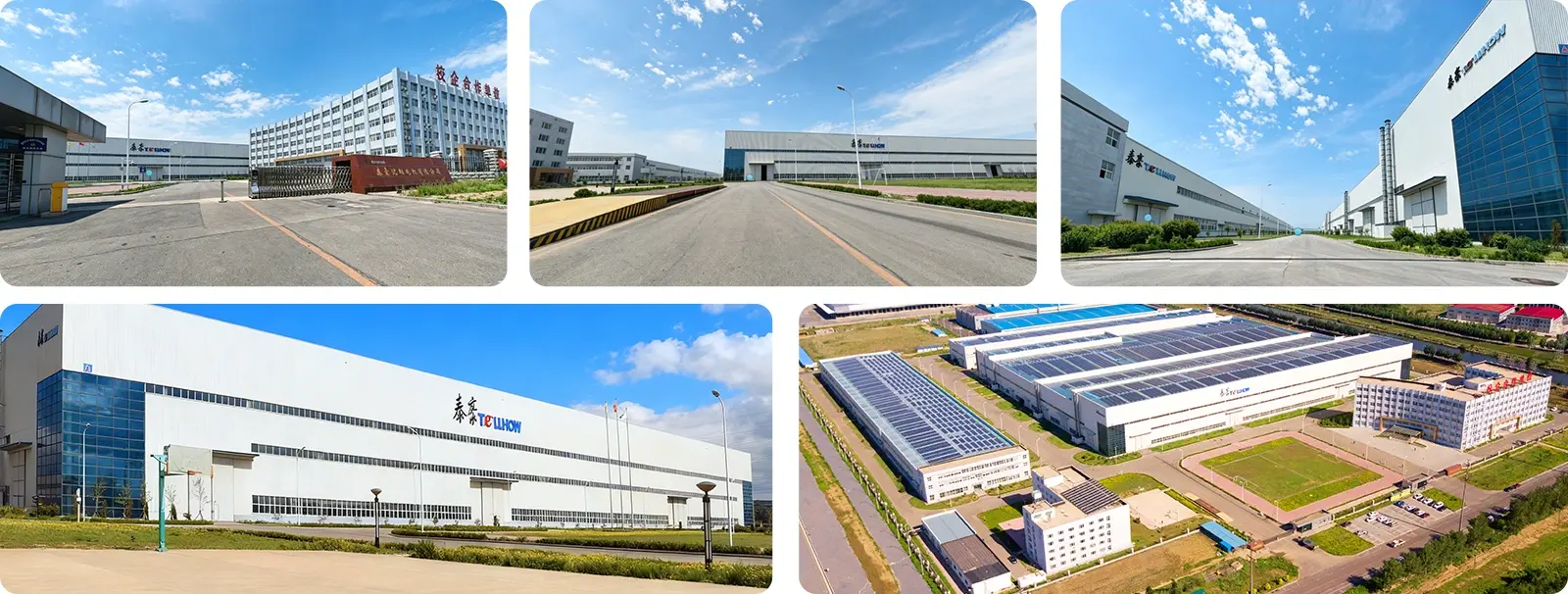
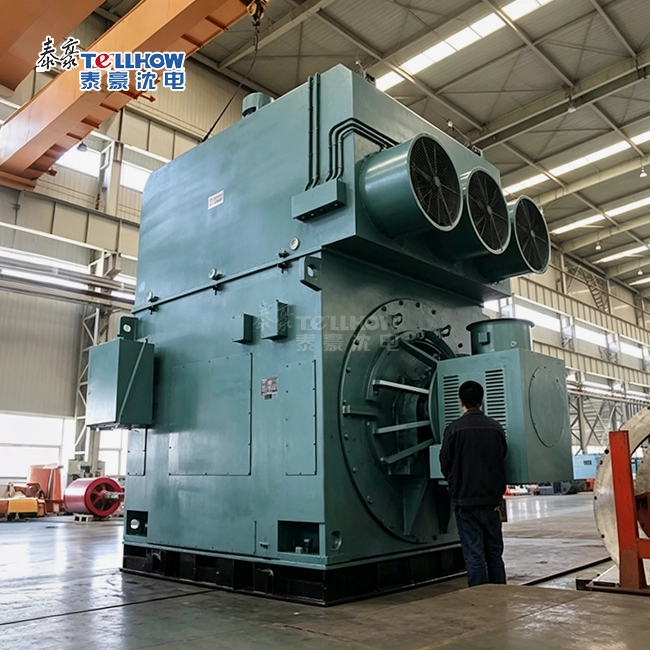
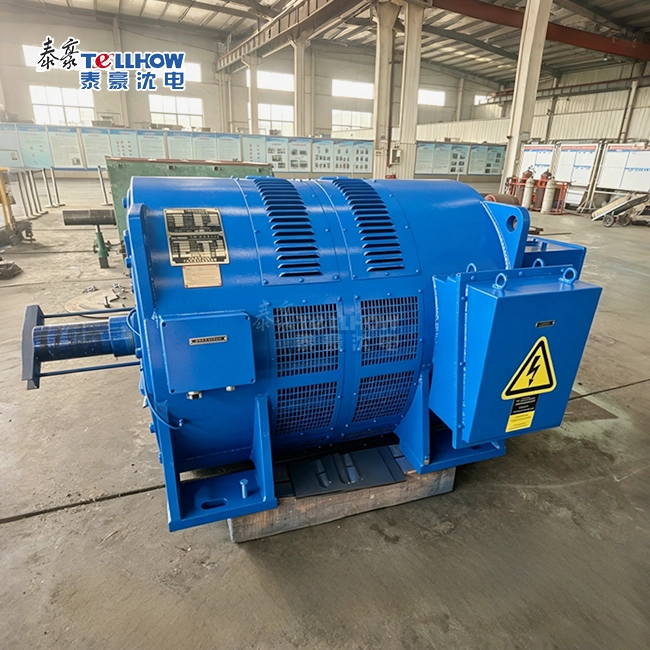
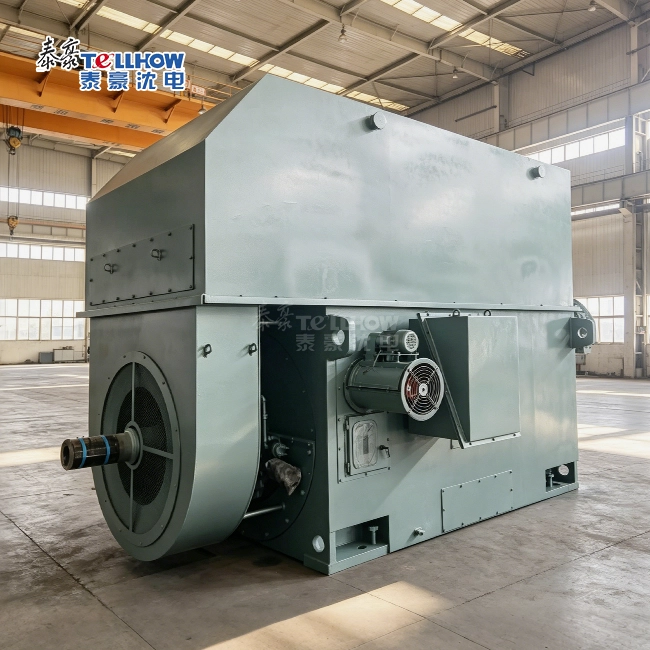
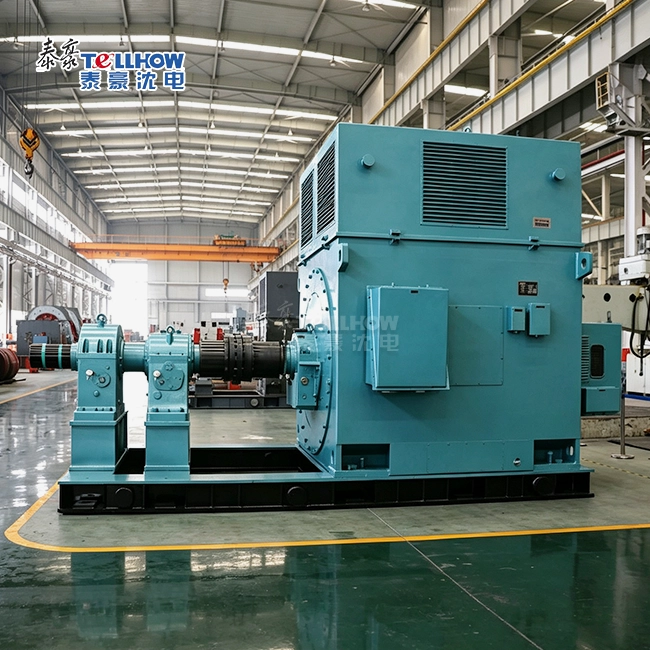
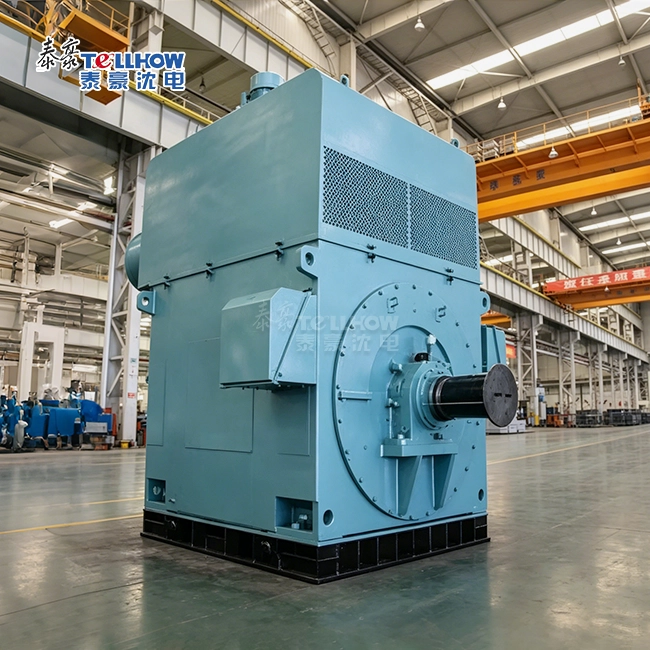
Our 3 Phase Asynchronous Wound Rotor Induction Motor combines advanced engineering with proven performance. Manufactured at Tellhow Shenyang's 190,000-square-meter facility with 8 million kW annual capacity, these motors deliver 220–18,000 kW across frame sizes H355-H1120. The welded steel construction reduces weight while maintaining structural integrity. F-class insulation on both stator and rotor ensures thermal stability in harsh environments. VPI-impregnated rotor windings and precision-engineered stator coils minimize vibration and noise. The external slip-ring design allows maintenance without full disassembly, cutting downtime significantly. With voltage options from 690V to 13,800V and multiple cooling methods, you get flexibility for your specific application needs.
What Makes Wound Rotor Motors Different?
Unlike squirrel cage designs, wound rotor motors give you direct control over starting characteristics and speed regulation. The rotor contains actual copper windings connected to external circuits through slip rings. This configuration lets you insert variable resistance during startup, controlling inrush current without expensive soft-start equipment.
You'll appreciate this when starting high-inertia loads like crushers or ball mills. The motor delivers high starting torque while drawing significantly lower current from your supply network. This protects upstream transformers and prevents voltage dips that affect other equipment.
Speed adjustment becomes practical too. By varying rotor circuit resistance, you can smoothly regulate motor speed across a useful range without complex electronics. This mechanical simplicity proves valuable in environments where dust, moisture, or temperature extremes challenge electronic drives.
Technical Specifications
| Parameter | Specification |
|---|---|
| Basic Models | YR, YRKS, YRKK |
| Frame Sizes | H355 – H1120 |
| Power Range | 220 kW – 18,000 kW |
| Pole Options | 2 – 24 poles |
| Voltage Range | 690V – 13,800V |
| Frequency | 50 Hz / 60 Hz |
| Protection Levels | IP23, IP44, IP54, IP55 |
| Cooling Methods | IC01, IC611, IC616, IC81W, IC86W, IC06 |
| Insulation Class | F-class (stator & rotor) |
| Construction | Welded steel frame |
| Winding Treatment | VPI (Vacuum Pressure Impregnation) |
Core Design Features
Welded Steel Frame Construction
The frame uses precision-welded steel plates rather than traditional cast iron. This approach creates a lighter 3 Phase Asynchronous Wound Rotor Induction Motor with superior rigidity. Heat dissipates more efficiently through the thinner steel walls. You'll find installation easier since each kW of power weighs less than older designs.
F-Class Insulation System
Both stator and rotor windings feature Class F insulation rated for 155°C continuous operation. When operated at Class B temperature rise limits, you gain substantial thermal margin. This extra safety buffer extends insulation life and improves reliability in applications with frequent starts or variable loads.
VPI-Impregnated Rotor Windings
Vacuum Pressure Impregnation fills every air pocket in the rotor coils with protective resin. This process creates a solid insulation mass resistant to moisture, chemicals, and mechanical stress. Rotor windings maintain their electrical properties even in challenging industrial atmospheres.
External Slip Ring Assembly
Maintenance becomes straightforward with externally mounted slip rings. You can inspect, clean, or replace brushes without removing motor end shields or disturbing alignment. This design feature dramatically reduces maintenance time and eliminates the need for specialized disassembly tools.
Multiple Bearing and Lubrication Options
Choose from several bearing configurations matched to your load characteristics. Grease or oil lubrication systems accommodate different maintenance schedules and ambient conditions. Properly selected bearing arrangements ensure years of vibration-free operation.
Where You'll Use These Motors
Metallurgical Operations
Steel mills rely on wound rotor motors for rolling mills, where precise speed control and high starting torque prove essential. The ability to handle shock loads during metal processing extends equipment life.
Mining and Material Processing
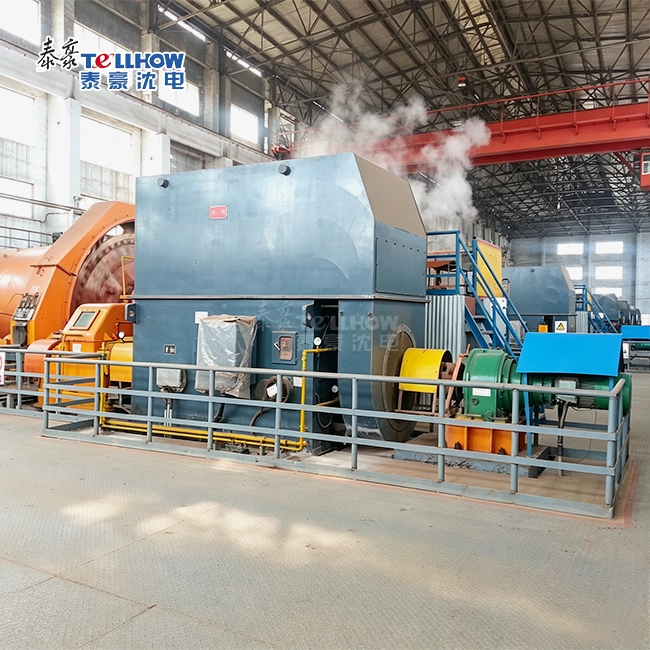
Conveyors, crushers, and grinding mills benefit from smooth acceleration and controlled starting current. You'll avoid mechanical shock to drive trains while reducing electrical stress on supply systems.
Cement Production
Kiln drives, raw mills, and clinker coolers operate continuously under heavy load. The robust construction and thermal capacity handle 24/7 duty cycles without performance degradation.
Water Treatment and Pumping
Large pump drives require the high pole-count options (up to 24 poles) for direct coupling at lower speeds. This eliminates gearboxes, reducing maintenance points and improving overall system efficiency.
Petrochemical Plants
Equipment operating in Zone 2 hazardous areas pairs with appropriate enclosures. The motor's inherent ability to limit starting current reduces spark risk during rotor circuit switching.

Performance Advantages You'll Notice
Lower Energy Consumption: Optimized magnetic circuit design and precision manufacturing reduce losses by 15-20% compared to standard efficiency motors. Your energy bills decrease while maintaining full mechanical output.
Reduced Mechanical Stress: Controlled starting eliminates sudden torque peaks that damage couplings, gearboxes, and driven equipment. Maintenance costs drop as mechanical components last longer.
Network-Friendly Operation: Starting current typically runs 2-3 times rated current with external resistance, versus 6-8 times for direct-on-line Squirrel Cage Motors. This protects your electrical infrastructure.
Precise Speed Regulation: Applications requiring variable speed without electronic drives benefit from simple rotor resistance control. This mechanical approach survives environments that destroy VFDs.
Enhanced Monitoring Capability: Built-in provisions for temperature sensors and vibration monitoring support predictive maintenance programs. You'll catch developing problems before they cause failures.
Customization Capabilities
Every industrial application presents unique challenges. Our engineering team configures motors to match your exact requirements:
- Custom Voltage and Frequency: Match any worldwide power standard
- Special Shaft Extensions: Accommodate your coupling or pulley requirements
- Modified Terminal Boxes: Position connections for convenient cable routing
- Tropical or Marine Protection: Enhanced corrosion resistance for demanding environments
- Special Painting Schemes: Meet plant color codes or additional corrosion protection
- Integrated Sensors: Pre-installed RTDs, bearing monitors, or vibration sensors
Small production runs and large OEM quantities both receive the same engineering attention. Our 500 million RMB facility supports flexible manufacturing from prototype through volume production.
Quality Standards and Compliance
Our 3 Phase Asynchronous Wound Rotor Induction Motor production adheres to internationally recognized standards ensuring global compatibility. Manufacturing processes comply with CE, UL, VDE, SASO, SNI, PSE, KC, and CCC certification requirements.
This multi-standard compliance means you can specify the same motor design across international facilities. Spare parts remain interchangeable, and maintenance procedures standardize regardless of installation location.
Dimensional standards follow IEC 60034 for mounting and shaft specifications. This ensures physical interchangeability when replacing older equipment or sourcing from multiple suppliers.
Installation and Maintenance Considerations
Foundation Requirements
The welded frame design reduces mounting stress compared to heavier cast motors. Your foundation needs adequate mass to absorb normal vibration but doesn't require the excessive reinforcement older motors demanded.
Alignment Procedures
Standard dial indicator methods ensure proper shaft alignment. The rigid frame maintains alignment better than flexible cast housings, so realignment intervals extend.
Slip Ring Maintenance
Inspect brushes and ring surfaces every 2,000-3,000 operating hours. The external design allows inspection without motor shutdown in many installations. Brush replacement takes minutes rather than hours.
Lubrication Schedules
Bearing relubrication intervals depend on selected bearing type and operating conditions. Most applications require attention every 3-6 months. Oil-lubricated bearings may extend service intervals to annual checks.
Winding Insulation Testing
Annual insulation resistance measurements track winding condition. The VPI treatment maintains high insulation resistance values even in humid conditions. Values above 100 megohms indicate healthy insulation.
Why Choose Tellhow Shenyang
Our motors combine 49 series and over 2,100 specifications serving power generation, metallurgy, mining, construction materials, petrochemicals, and water treatment industries worldwide. This extensive application experience means we understand your challenges.
The 8 million kW annual production capacity ensures stable supply even for large projects. Quality control processes catch issues before shipping, so your motors arrive ready for reliable service.
Engineering support extends beyond product selection. Our team assists with application analysis, installation planning, and troubleshooting throughout the motor lifecycle. You're buying expertise, not just equipment.
Frequently Asked Questions
Q: How does starting current compare to squirrel cage motors?
A: With external rotor resistance, starting current drops to 2-3 times rated current versus 6-8 times for direct-started squirrel cage designs. This protects your electrical supply system and reduces demand charges.
Q: Can I achieve variable speed operation without a VFD?
A: Yes. Rotor circuit resistance variation provides speed control from approximately 50% to 100% rated speed. This mechanical method works in environments where electronics fail due to heat, dust, or moisture.
Q: What maintenance intervals should I expect?
A: Brush and slip ring inspection every 2,000-3,000 hours. Bearing lubrication every 3-6 months. Annual insulation testing. The external slip ring design makes most maintenance quick and simple.
Q: How do I select the right protection level?
A: IP23 suits clean indoor environments. IP44 handles typical industrial conditions. IP54 or IP55 work in dusty or wet locations. Your site conditions and cleaning capabilities determine the optimal choice.
Q: Can these motors handle frequent starts?
A: Absolutely. The F-class insulation and controlled starting reduce thermal and mechanical stress. Applications with 10-20 starts per hour operate reliably. Consult our engineering team for extreme duty cycles.
Q: What's the typical delivery timeframe?
A: Standard configurations ship in 8-12 weeks. Custom specifications may require 12-16 weeks depending on design complexity. Our production planning team provides accurate schedules based on your requirements.
Q: Do you provide spare parts support?
A: Yes. We maintain inventory of brushes, bearings, and common wear components. Specialized parts ship within 1-2 weeks. Our global service network ensures you're never without support.
Contact Us
Ready to discuss your specific requirements for 3 Phase Asynchronous Wound Rotor Induction Motor?
Email us: sxmotor@yeah.net

USER EVALUATE
Here is the customer's evaluation of us
YOU MAY LIKE
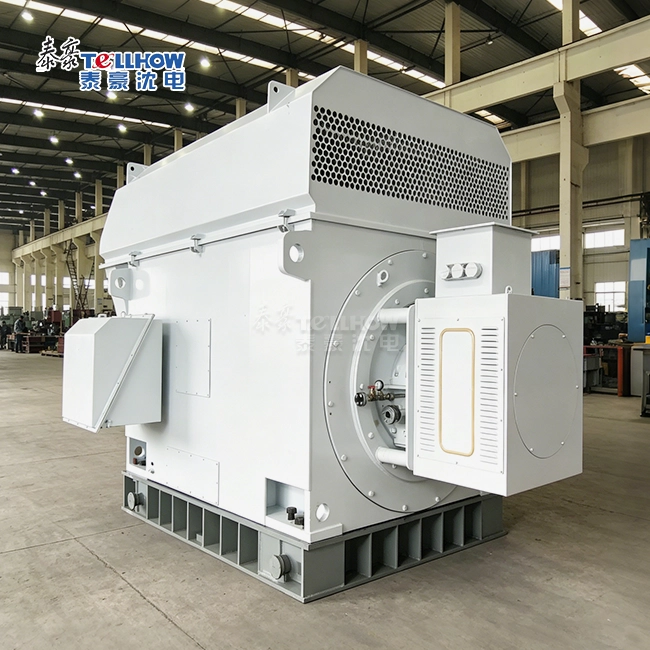 VIEW MOREslip ring wound rotor induction motor
 VIEW MOREvariable frequency wound rotor slip ring motor
 VIEW MOREIndustrial Electric slip Ring Wound Rotor Induction Motors
 VIEW MOREFabricated Steel High Torque Wound Rotor Induction Motor
 VIEW MOREWinding Rotor AC Asynchronous Special Application Motors For Crane
 VIEW MOREopen type high voltage slip ring motor
 VIEW MOREair-water cooling slip ring motor
 VIEW MOREpipe cooling high voltage slip ring motor